Fix safety and structural issues first, then clear full access to every mechanical system, document every upgrade with dates and costs, declutter and deep clean inside and out, knock out three or four curb-appeal fixes, and hand the appraiser a packet of recent comparable sales on arrival. That order matters more than the individual tasks, because appraisers apply the biggest downgrades for safety hazards and blocked access before they ever get to cosmetic details. Do these six things and you remove the most common triggers that push a valuation lower than it should be.
Work through this sequence, starting with whatever takes the longest to schedule:
- Fix anything unsafe or structurally questionable (exposed wiring, water damage, broken railings) since these can stall the report entirely.
- Clear access to the attic, crawlspace, electrical panel, and HVAC unit. An appraiser who cannot inspect a system often notes it as unverified, which works against you.
- Pull together receipts and permits for every renovation done since you bought the place.
- Declutter and clean every room, including closets and the garage, since appraisers note visible condition details during inspection.
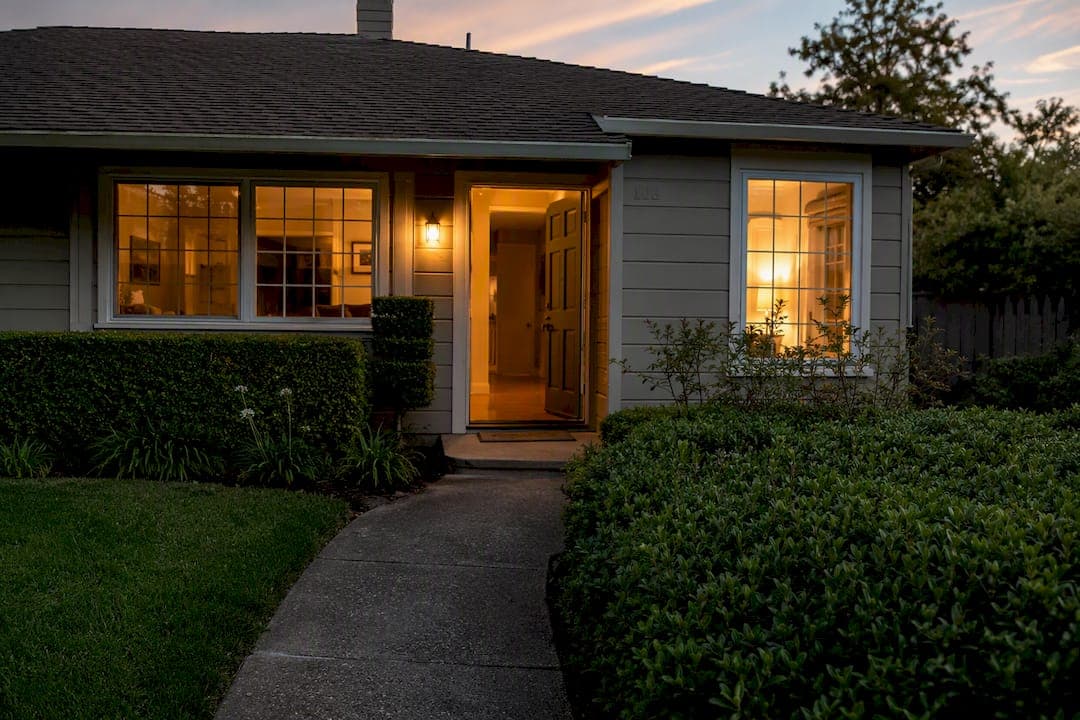
- Handle two or three visible exterior fixes: dead landscaping, peeling trim, a cracked walkway.
- Print a one-page improvements summary and a comp packet to hand over at the door.
- Fresh mulch and a trimmed lawn read as maintained, which matters more than most sellers expect.
- A newer roof or HVAC unit with the install date written down is one of the fastest ways to support a higher number.
- Square footage discrepancies between your listing and public records are worth resolving before the appraiser measures it themselves.
Pro Tip: Take dated photos of any major repair the week it's finished. A "before" shot of a cracked foundation next to the repaired version, stapled to the invoice, tells the story faster than any conversation with the appraiser will.
Key Takeaways
A higher appraisal comes down to documented upgrades, full access to mechanicals, resolved deferred maintenance, and a comp packet handed over at the door.
| Point | Details |
|---|---|
| Fix safety issues first | Structural and safety problems get flagged before any cosmetic detail, so address these before anything else. |
| Document every upgrade | Build a one-page summary with dates, costs, and permit status for each major improvement. |
| Clear mechanical access | Unlock the attic, crawlspace, and electrical panel so nothing gets marked as unverified. |
| Know your comps | Bring three to six recent local sales so the appraiser's baseline matches yours. |
| Get agent support early | Beams Realty Group prepares comp packets and improvements summaries before your appraisal is even scheduled. |
Table of Contents
- What Actually Happens During a Home Appraisal?
- What Do Appraisers Look For During an Inspection?
- Room-by-Room Prep: What to Fix Before the Appraiser Arrives
- Which Repairs Are Worth Doing Before an Appraisal?
- What Documents Should You Give the Appraiser?
- What Should You Do During the Appraisal Visit?
- What Happens If the Appraisal Comes in Low?
- How Much Does an Appraisal Cost and How Long Does It Take?
- How Beams Realty Group Helps You Prepare for an Appraisal
- Get a Comp Packet and Appraisal Prep Support From Beams Realty Group
- Sources
What Actually Happens During a Home Appraisal?
An appraisal exists to give a lender an independent, professional opinion of what a property is worth, separate from what the buyer offered or the seller wants. Lenders require it because they're underwriting the loan against the property's real value, not the contract price alone.
Not every appraisal looks the same, and the type ordered affects how much your prep work actually matters:
- Desktop appraisals rely on public records, tax data, and automated valuation models with no site visit at all.
- Drive-by appraisals involve an exterior-only look, often paired with photos or a prior interior inspection on file.
- Full appraisals include a complete interior and exterior walkthrough, measurements, and photos of every major system.
A full, on-site appraisal is usually the one that carries the most weight in a sale or refinance, because the appraiser uses an on-site inspection to inform adjustments beyond assumptions. That's also why AVMs and Zestimates tend to diverge from appraised value. An automated estimate can't account for a renovated kitchen, a finished basement, or a roof that's five years past due. It's pulling from sale patterns and public data, not from someone standing in your living room.
The appraiser's judgment fills the gaps a formula can't: local comps, condition, and how a specific upgrade compares to what similar homes nearby have done. That's the piece homeowners can actually influence, and it's why preparation before the visit changes outcomes more than people assume.
What Do Appraisers Look For During an Inspection?
Appraisers weigh condition, gross living area, comparable sales, system age, permit history, and location against each other to land on a number, and condition issues are usually what drag a value down the fastest. Every item they note gets tied to a specific adjustment, positive or negative, in the final report.
Here's how each factor plays out in practice:
- Overall condition. Peeling paint, worn carpet, or a leaking faucet reads as deferred maintenance, and appraisers are trained to flag it even when it seems minor to you.
- Gross living area (GLA). If your listing says 2,400 square feet and the appraiser measures 2,250, that gap becomes a negative adjustment against every comp used.
- Comparable sales. Recent closings within your neighborhood, usually from the past several months, set the baseline your home gets measured against.
- Major systems. Roof age, HVAC condition, water heater, and electrical panel all get individually assessed, and an outdated system without documentation reads as a liability.
- Kitchen and bathroom condition. These rooms carry disproportionate weight because they're expensive to renovate and buyers weigh them heavily too.
- Permits and unpermitted work. A finished basement or added bedroom without a permit on file can get excluded from the square footage calculation entirely.
- Location and market conditions. Traffic patterns, lot size, and school zones factor in, and none of it is something you can change before Thursday's appointment.
The single most common trigger appraisers document as a negative is visible deferred maintenance paired with unpermitted work. Neither one is dramatic on its own, but stacked together they signal a property that hasn't been maintained to code, and that's exactly the kind of pattern an appraiser is trained to catch.
Pro Tip: If you added square footage without a permit, don't hide it. Pull the permit retroactively if your municipality allows it, or be ready to explain the work's scope and cost honestly. Appraisers respect disclosure far more than they penalize small gaps in paperwork.
Room-by-Room Prep: What to Fix Before the Appraiser Arrives
The key exterior tasks include maintaining lawn and landscaping, repairing visible damage, and ensuring clear driveway and walkways. Inside, focus on decluttering every room, cleaning kitchens and bathrooms to a shine, and making sure every door in the house opens without obstruction.

Entry and living areas. Clear the front porch of clutter, make sure the doorbell and locks work, and remove anything blocking hallways. A home that feels easy to walk through photographs well and reads better in the report.
Kitchen. Wipe down cabinets, clear countertops, and fix that cabinet door that doesn't quite close. Kitchens get photographed extensively, so grease buildup or a broken disposal will show up in the file.
Bathrooms. Recaulk around tubs and sinks, fix running toilets, and replace any cracked tile. These are cheap fixes that remove easy deferred-maintenance flags.
Bedrooms. Clear closets enough that the appraiser can confirm size and function, especially if a room is being counted as a legal bedroom.
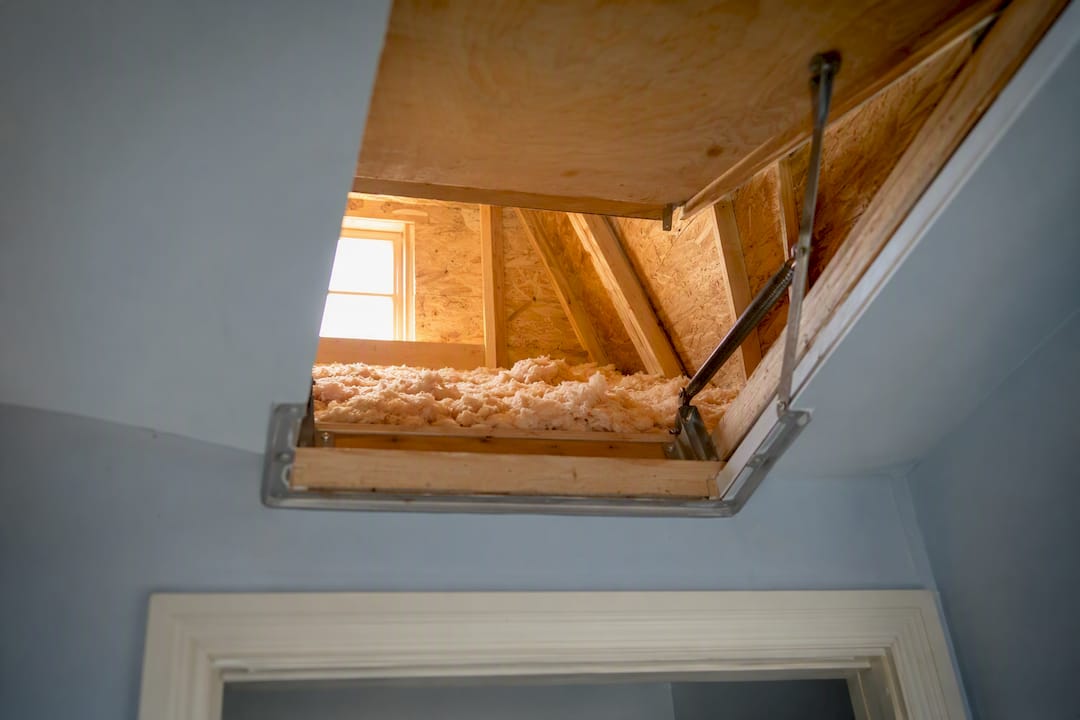
Basement, attic, and crawlspace. Move boxes away from the access hatch. An appraiser who can't get into the attic to check insulation or the crawlspace to check plumbing often notes it as unverified, which works against you rather than for you.
Garage. Clear enough space that the appraiser can confirm it's a functioning garage rather than storage, especially if your listing counts it as parking.
For curb appeal specifically, three fixes carry outsized weight relative to their cost: trimming overgrown shrubs, cleaning or replacing damaged gutters, and pressure-washing the driveway and siding. None of these require a contractor, and all three show up in the exterior photos every appraisal report includes. A checklist of what buyers evaluate on a walkthrough overlaps almost entirely with what an appraiser notices first.
If your basement is partially finished, be upfront about which square footage is finished versus unfinished rather than letting the appraiser guess. And if you've got work done without a permit, either pull it retroactively or have your contractor's invoice ready to explain what was done and when.
Pro Tip: Leave utility closets and panel covers unlocked and accessible the morning of the appointment. Appraisers move faster and note fewer "unable to verify" items when nothing requires you to go find a key.
Which Repairs Are Worth Doing Before an Appraisal?
Tackle urgent safety and structural issues first, then high-impact low-cost fixes like leaks and worn surfaces, and treat purely cosmetic trends like accent walls or trendy fixtures as optional. Spending on the third category rarely moves the number, while ignoring the first two almost always costs you more than the repair would have.
What actually moves an appraisal is resolved deferred maintenance and permitted major system work, not style choices. A new roof with a permit and invoice on file supports a higher value far more reliably than a repainted accent wall, even though the paint job might look more dramatic in photos. Appraisers are comparing your home's condition and systems against similar homes that sold recently, not judging your taste.
- Address anything unsafe or non-functional immediately. A broken step, a leaking roof, or exposed wiring will get flagged regardless of how nice the rest of the house looks.
- Fix visible wear that signals neglect. Water stains, cracked drywall, and worn flooring in high-traffic areas are cheap relative to the downgrade they can cause.
- Skip trend-driven cosmetic upgrades unless they're already planned. A minor renovation to doors and closets can help perceived value, but a full kitchen remodel two weeks before an appraisal rarely pays for itself in the timeline you have.
Permits matter more than most homeowners expect. Work completed without one can get excluded from square footage or condition calculations entirely, since the appraiser has no official record to verify it meets code. If you can't pull a permit retroactively, keep the contractor's invoice, the scope of work, and photos ready to show the appraiser directly. Disclosure, even for unpermitted work, tends to read better than silence.
Pro Tip: Before spending a dollar on cosmetic upgrades, walk the house with a critical eye for anything that looks unfinished or broken. Those items get penalized every time; a fresh coat of paint on trim that's already in good shape usually doesn't move the needle at all.
What Documents Should You Give the Appraiser?
The single most useful document you can hand over is a one-page improvements summary listing every major upgrade with its date and cost. It's the fastest way for an appraiser to understand what's changed since the last valuation, and documented improvements are consistently cited as one of the most effective ways to prompt a positive adjustment.
Gather these before the appointment:
- Permits for any structural, electrical, or plumbing work
- Receipts and contractor contact information for major repairs or renovations
- A comp packet showing several recent sales of comparable homes locally
- A professional survey or measurement record, if you have one, to resolve any square footage questions before they come up
Pair photos with receipts wherever possible. A picture of the new water heater next to its installation invoice removes any doubt about age or condition, and it takes the appraiser seconds to verify instead of minutes.
Your one-page summary doesn't need to be fancy. It just needs to be scannable:
Bring your agent's comp packet along with this sheet. Comps pulled from the previous several months of local sales give the appraiser a baseline that's already close to what they'd pull themselves, which speeds up the process and reduces the chance of a mismatch.
What Should You Do During the Appraisal Visit?
Be present, be helpful, and stay out of the way. Offer your documents, unlock what needs unlocking, and answer questions factually. What you shouldn't do is try to steer the number.
Do this:
- Hand over your one-page improvements summary and comp packet at the start of the walkthrough.
- Answer questions directly: "The roof was replaced in 2023, here's the invoice."
- Point out access to the attic, crawlspace, and panel before they have to ask.
Don't do this:
- Don't ask what value they're leaning toward or hint at a number you need.
- Don't follow them room to room narrating opinions about the market.
- Don't downplay a known issue if asked about it directly; disclosed problems read better than discovered ones.
Put pets in a crate or another room, turn on lights in every space including closets, and make sure gates or side doors are unlocked ahead of time. A visit that moves smoothly because nothing is blocked or hidden tends to be a shorter, more accurate one.
Pro Tip: If the appraiser asks about a known issue, like an older water heater or a hairline foundation crack, answer plainly and offer any documentation you have. Appraisers who sense a homeowner is hiding something tend to look harder, not less.
What Happens If the Appraisal Comes in Low?
If your appraisal comes back lower than expected, your options are renegotiating the price, having the buyer bring additional cash to closing, requesting a reconsideration of value, or ordering a second appraisal where your lender allows it. Move fast, since most of these processes run on a tight window before closing.
- Review the report for factual errors first: wrong square footage, a missed bedroom, or an outdated comp are all fixable mistakes.
- Ask your agent to compile stronger, more recent comps if better ones exist that the appraiser may have missed.
- Contact your lender about the reconsideration of value (ROV) process, since the lender controls whether an ROV moves forward, not the appraiser or your agent directly.
- Set expectations on timing. ROVs typically take a few business days to a couple of weeks depending on the lender's queue, and a second appraisal, if permitted, adds its own scheduling delay.
Your agent gathers the comps, your lender decides whether to submit the ROV, and the original appraiser reviews and documents any changes. Knowing who controls which piece keeps you from wasting time asking the wrong party for the wrong thing.
How Much Does an Appraisal Cost and How Long Does It Take?
Timeline: Order to report typically runs one to two weeks, depending on how backed up local appraisers are and how quickly you provide access for the inspection.
The sequence generally runs like this:
- Lender or buyer orders the appraisal
- Appraiser schedules and conducts the on-site inspection
- Appraiser compiles comps and drafts the report
- Lender reviews the report before final loan approval
Timing shifts with the type of appraisal ordered (a desktop review moves faster than a full inspection), how competitive the local real estate market is, and how full the lender's appraiser queue happens to be that month.
How Beams Realty Group Helps You Prepare for an Appraisal
Beams Realty Group assists with preparing comparable sales data, organizing improvements summaries, and advising on impactful repairs before the appraisal. That kind of local, hands-on guidance is exactly where an agent's judgment matters more than a generic checklist.
What that support looks like in practice:
- Pulling several recent comparable sales from the neighborhood that match your home's size, condition, and location
- Helping you build and format a clean one-page improvements summary for the appraiser
- Advising on which repairs move the needle and which ones you can skip
- Recommending vetted contractors when something urgent needs fixing fast
- Assisting with the paperwork and comps if you need to submit a reconsideration of value
The best time to call is before you list, before you apply for a refinance, or as soon as a lender orders an appraisal on an existing contract. Waiting until the appraiser is already scheduled leaves less room to fix anything that would have made a real difference.
What most homeowners get wrong about appraisals
The biggest surprise I see isn't a low number. It's homeowners assuming the appraiser will just "know" about the new roof or the finished basement without anyone telling them. Appraisers work from what they can see and verify, not from what you remember doing three years ago.
The habit that actually pays off: start your improvements list the day you finish a project, not the week before you need it. Homeowners who do this walk into an appraisal with real evidence instead of a vague memory of "we redid the kitchen sometime around 2022."
Get a Comp Packet and Appraisal Prep Support From Beams Realty Group
Beams Realty Group builds your comp packet and one-page improvements summary for you, so you're not piecing together spreadsheets and old receipts the week before your appraiser shows up.

That's the real time-saver here: instead of guessing which comps matter or which repairs are worth the money, you get a Virginia-based agent who's pulled comps and coordinated appraisal timing for other local sellers and refinance clients. Beams Realty Group can also connect you with trusted contractors if something urgent needs fixing on short notice, and help you compile stronger comps if you ever need to push back on a low valuation.
Working with an agent instead of going it alone means fewer surprises in the report, a faster turnaround on gathering documentation, and someone who already knows what your local appraisers tend to flag. If you've got a sale, refinance, or loan application coming up, reach out to Beams Realty Group now to get your comp packet started before the appraisal gets scheduled.
Sources
- How to Prepare for a Home Appraisal: What Actually Matters | EffectiveAgents®
- Home appraisal vs Zestimate: what's the difference? - PropertyEstimate
- What hurts a home appraisal? | Zillow
This article is general information, not a substitute for advice from a qualified financial advisor. Consult a qualified financial professional about your own circumstances before acting on anything here.