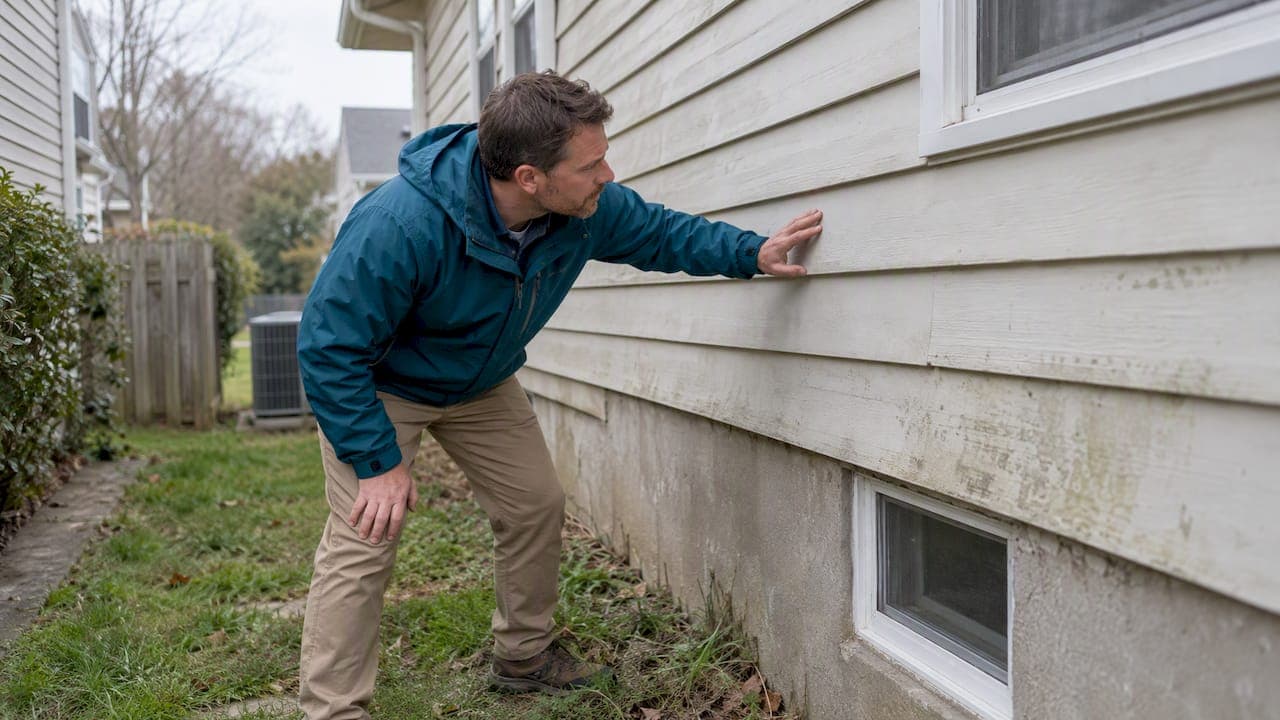
An appraisal waiver, now more often called value acceptance, lets a lender accept a submitted home value without ordering a full appraisal. Desktop Underwriter and Loan Product Advisor, the automated systems Fannie Mae and Freddie Mac use, decide who gets the offer. The trade-off is simple: a faster, cheaper closing in exchange for skipping an independent, on-site valuation.
TL;DR:
- Fannie Mae's plain value acceptance generally covers one unit primary residences and second homes up to about 90% loan to value, but excludes manufactured homes.
- A plain offer may require a prior appraisal less than six years old with no overvaluation flag, and most offers expire after 120 days.
- Because no appraiser checks the home's condition or price in person, keep your home inspection contingency even when the lender accepts the automated value.
- Virginia VA purchase loans generally still need a full appraisal, averaging about seven business days, while IRRRL refinances typically skip that step.
- Ask for a full appraisal if recent renovations, unusual layouts, rural locations, or few comparable sales make automated valuation less dependable.
Table of Contents
- What Appraisal Waivers and Value Acceptance Mean Now
- How DU, LPA, ACE, and PDR Decide Your Eligibility
- Eligibility Limits and Common Exclusions to Watch
- Weighing the Benefits Against the Risks
- Handling a Waiver Offer: A Virginia Buyer's Checklist
- A Local View on Virginia Appraisal Timing and Fit
- What I'd Tell a Friend Weighing This Decision
- Let Us Help You Read the Fine Print on Your Offer
- FAQ
- Sources
What Appraisal Waivers and Value Acceptance Mean Now
Fannie Mae and Freddie Mac used to call this an appraisal waiver. Both now favor "value acceptance," a name that better reflects what actually happens: the lender's automated underwriting system reviews the loan file and decides the purchase price or an automated valuation is reliable enough to stand in for a licensed appraiser's opinion.
Value acceptance is not the same as a county tax assessment, which exists for property tax purposes and often lags far behind market value. It is also not the same as a full appraisal, which includes a licensed appraiser physically inspecting the home, pulling comparable sales, and producing a signed report. Value acceptance relies instead on a statistical model and your loan file data.
FHFA oversees both Fannie Mae and Freddie Mac, and its review of the waiver programs found they:
- Cut loan origination time measurably compared to loans requiring full appraisals.
- Saved borrowers a typical $300 to $700 appraisal fee when a waiver applied.
- Shifted some valuation risk from the appraiser to the automated model and the lender.
That last point matters more than it sounds. When a lender accepts a value acceptance offer instead of ordering an appraisal, no licensed professional has walked through the home to confirm its condition matches the price.
How DU, LPA, ACE, and PDR Decide Your Eligibility
When your lender submits your loan file, the decision happens in a specific sequence, not all at once.
- Your lender runs the file through Desktop Underwriter (Fannie Mae) or Loan Product Advisor (Freddie Mac).
- The system checks your loan file against a prior appraisal on record, often through Fannie Mae's Collateral Underwriter, or against an automated valuation model.
- If the data supports it, DU or LPA returns a value acceptance offer, or Freddie Mac's equivalent, an ACE offer.
- In some cases, instead of a plain waiver, the system requests a Property Data Report, triggering an inspection-based path.
- Your lender decides whether to accept the offer or order a traditional appraisal anyway.
A Property Data Report is an on-site data collection, not a valuation. A trained property data collector visits the home, takes photos, and records condition details, then submits that data electronically to Freddie Mac's bACE system or Fannie Mae's Property Data API. Clear Capital's guide to inspection-based waivers notes these collectors must be independent of the transaction and pass background screening before they can perform the work, which keeps a layer of neutral, on-site verification in place even when no appraiser is involved.
Offers also expire. A value acceptance offer is typically valid for 120 days, and a settlement date pushed past that window usually forces your lender to resubmit the file for a fresh determination.
Pro Tip: Ask your loan officer for the exact expiration date on your value acceptance or ACE offer in writing, not just a verbal estimate.
Eligibility Limits and Common Exclusions to Watch
Not every loan qualifies, and the rules differ slightly between the two government-sponsored enterprises. Fannie Mae's Value Acceptance generally applies to one-unit primary residences and second homes, with a cap around 90% loan-to-value for a plain value acceptance offer. Value Acceptance + Property Data, the inspection-based version, can allow higher LTV limits in some cases, including up to about 97% and 105% for Community Seconds in certain qualifying situations.
Several situations commonly knock a loan out of eligibility:
- Manufactured homes, which generally do not qualify for value acceptance.
- Non-arm's-length transactions, such as sales between family members, where pricing objectivity is harder to confirm.
- Renovation loans, including CHOICERenovation, since the property's finished condition isn't yet established.
- Loans relying on rental income to qualify, which often require a traditional appraisal with a rent schedule.
Fannie Mae's underwriting guidance also typically requires a prior appraisal already on file in Collateral Underwriter, less than six years old and free of any overvaluation flag, before a plain value acceptance offer can be issued.
For Virginia buyers using VA financing, the distinction between loan types matters. VA purchase loans generally still require a full appraisal, while the Interest Rate Reduction Refinance Loan program, known as the IRRRL, typically does not. If you're buying with a VA loan, plan for an appraisal; if you're refinancing an existing VA loan through an IRRRL, you likely won't need one.

Weighing the Benefits Against the Risks
A value acceptance offer can genuinely work in your favor, but it shifts some responsibility onto you as the buyer.
The benefits are concrete:
- You skip the appraisal fee, typically $300 to $700.
- Your closing can move faster since you're not waiting on appraiser availability, which also eases pressure during busy market seasons.
- You avoid the risk of a low appraisal derailing your purchase price.
The risks are just as real. No licensed appraiser inspects the home, so hidden condition issues or an inflated purchase price can go unchecked. The FHFA's review also points out that these programs give lenders representation and warranty relief, meaning the lender faces less exposure if the value turns out wrong. That incentive structure can make lenders comfortable accepting offers on loans that carry little risk for them, even when the buyer is taking on more.
This is where your purchase contract matters. If you waive the appraisal contingency along with the appraisal itself, you lose a second layer of protection. Keeping a home inspection contingency in place, regardless of whether an appraisal happens, preserves your ability to walk away or renegotiate if the home's actual condition doesn't match what you're paying.
Pro Tip: Never waive your inspection contingency just because your lender waived the appraisal. They protect against different risks.
Handling a Waiver Offer: A Virginia Buyer's Checklist
When your lender tells you a value acceptance or ACE offer applies to your loan, work through these steps before you decide anything.
- Get the offer in writing. Request the DU or LPA feedback certificate, or the ACE offer document, and note its expiration date.
- Ask directly whether your lender will use the offer or order an appraisal anyway. Some lenders order one regardless, especially for jumbo or complex loans.
- If a Property Data Report applies, ask who collected it. Confirm the collector was independent of the transaction and ask whether photos are available for your own review.
- Flag reasons to insist on a full appraisal anyway, including recent renovations, an unusual floor plan, a rural location with few comparable sales, or any concern the purchase price is high for the area.
- Loop in your agent before you waive anything. We review the offer details, flag contract language that affects your protections, and can recommend an independent appraiser or additional inspections when the property calls for it.
A Local View on Virginia Appraisal Timing and Fit
VA appraisals currently average about 7 business days under updated Minimum Property Requirements, with IRRRL refinances typically skipping the appraisal step entirely. That timeline shapes how much a waiver actually saves you on a VA purchase.
Where you're buying in Virginia affects your odds, too. Stable suburban neighborhoods with frequent, comparable sales tend to support value acceptance offers more reliably, since automated models have solid data to work from. Rural properties, unique floor plans, or homes on larger acreage often don't fit the model as well, which is one reason buyers in those areas see fewer waiver offers.
We help buyers understand what their specific offer means for their contract and timeline, using local comparable data most automated tools don't surface on their own.
What I'd Tell a Friend Weighing This Decision
I'd take a value acceptance offer on a routine, well-comped suburban home when I needed a fast close and had no renovation concerns. I'd push back and request a full appraisal on anything unusual: a renovated kitchen with no recent comps, a rural lot, or a price that already feels aggressive for the block.
Whatever you decide, get the lender's offer in writing and keep your inspection contingency intact. That paperwork protects you later if anything about the value turns out wrong.
— Myra
Let Us Help You Read the Fine Print on Your Offer
Reviewing a value acceptance or ACE offer is easier with someone who handles Virginia purchase contracts regularly. We review the offer language, flag what it means for your contingencies, and connect you with an independent appraiser or inspector when the property warrants a second look.

Here's where we typically step in:
- Reviewing your lender's value acceptance or ACE offer alongside your purchase contract.
- Advising on whether to keep or adjust your appraisal and inspection contingencies.
- Referring inspectors and valuation resources when a property doesn't fit the automated model well.
If you're actively shopping, start with our Home Buying services, or request a Home Valuation if you want a professional opinion alongside whatever your lender offers.
This article is general information, not a substitute for advice from a qualified financial advisor. Consult a qualified financial professional about your own circumstances before acting on anything here.
FAQ
Is It Good to Have an Appraisal Waiver?
A waiver can save you money and time on a routine purchase in a well-comped neighborhood, since it skips the typical $300 to $700 appraisal fee and speeds up closing. It's a weaker fit for unique properties, recent renovations, or areas with few comparable sales, where an independent appraisal offers more protection.
How Much Is an Appraisal for a 2,000-Square-Foot House?
Appraisal fees vary by lender, location, and property complexity rather than square footage alone, so there's no single published rate for a specific home size. The FHFA's review of waiver programs cites a typical appraisal cost range of $300 to $700 as the amount buyers commonly save when a waiver applies.
What's the Cheapest Way to Get a Home Valued?
A value acceptance or ACE offer, when your loan qualifies, avoids the appraisal fee entirely since it relies on your loan file data and an automated model instead of an appraiser visit. When an inspection-based path like ACE+ PDR applies, you still avoid a full appraisal fee while a trained data collector handles a brief on-site visit.
Can a VA Loan Waive an Appraisal?
VA purchase loans generally still require a full appraisal, which currently averages about 7 business days to complete. The Interest Rate Reduction Refinance Loan, or IRRRL, typically does not require one, since it's designed as a streamlined refinance for existing VA borrowers.
Sources
- Value Acceptance | Fannie Mae
- ACE / ACE+ PDR guidance (Freddie Mac)
- Inspection-based appraisal waivers: The full guide (Clear Capital)
- VA updates home loan appraisal requirements
- FHFA OIG review of appraisal waiver programs