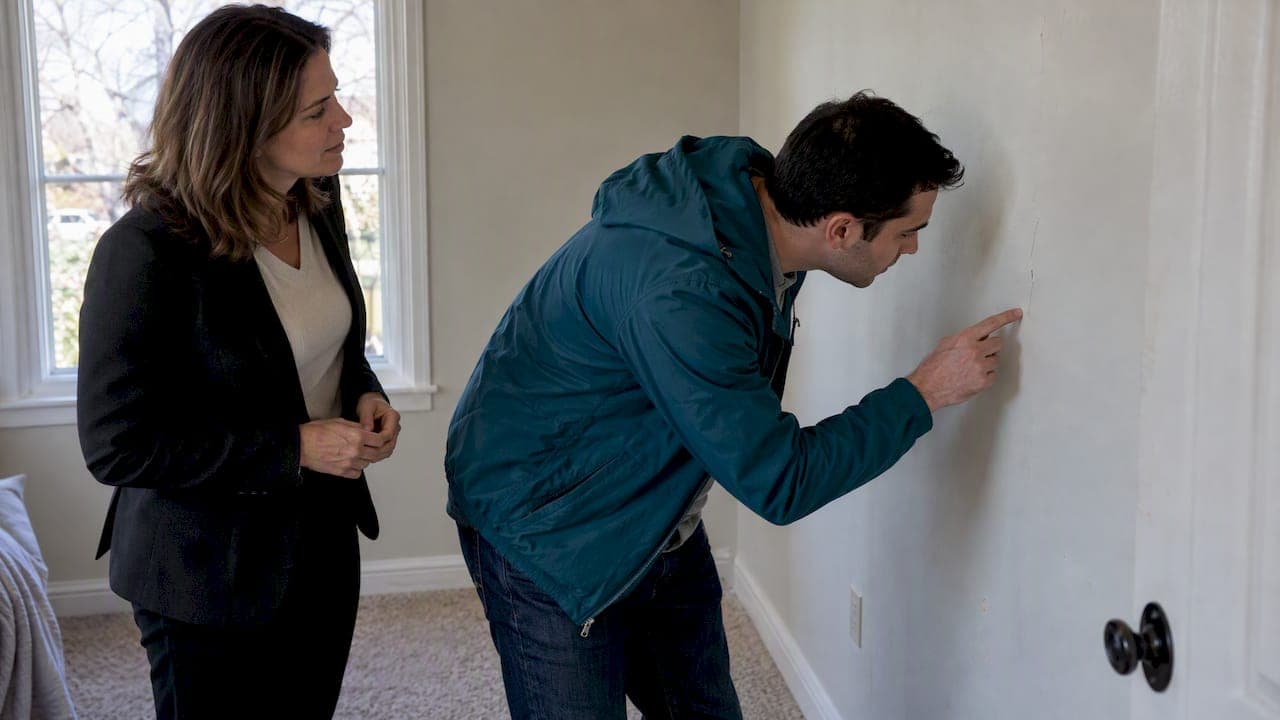
A home goes back on market when an accepted offer fell apart and the seller relisted the property, and the reason often falls into recurring categories such as inspection findings, financing failure, an appraisal gap, a missed contingency deadline, or the previous buyer's personal circumstances. Before you assume the house has a hidden flaw, ask why it relisted. The specific cause determines whether you're looking at a bargain or a property that will test your patience.
TL;DR:
- Ask your agent to request the prior termination notice and inspection reports, then order your own inspection regardless of what the previous buyer shared.
- A previous buyer’s credit or income problem may not affect you, but a lender concern about the property’s condition or insurability warrants scrutiny.
- Keep inspection, appraisal, and financing contingencies unless you accept the risk; cap appraisal gap coverage in writing and protect earnest money through contingency deadlines.
- Check the full listing history and ask how far the prior deal progressed; a late failure may leave appraisal or title work already completed.
Table of Contents
- Common Reasons a Home Returns to Market
- What Each Reason Means for a Buyer Evaluating a Relisted Property
- How to Investigate Why the Home Was Relisted
- How to Protect Your Offer on a Back-on-Market Home
- What Happens Between Contract and Closing
- How a Relisting Changes Your Buying Strategy
- Seller-Initiated Reasons for Relisting
- How Market Conditions Influence Relistings
- Legal and Regulatory Factors Behind a Relisting
- Pricing Adjustments and Their Effect on Relistings
- The Role Agent Tactics Play in a Relisting
- An Agent's View on Back-on-Market Opportunities
- Get Help Evaluating a Relisted Home With Beams Realty Group
- FAQ
- Sources
Common Reasons a Home Returns to Market
Most relistings trace back to a handful of recurring problems, and recognizing them helps you figure out which category applies to the property you're considering. National survey data on failed pending sales points to a short list of repeat offenders, with inspection issues and financing trouble topping the chart in most years, according to Nar.
Recent practitioner surveys back this up, and also flag a cause that's been climbing: buyers who can't sell their current home in time. According to Virginia REALTORS®, inspection problems remain the most commonly cited reason deals collapse, mortgage approval issues are a frequent runner-up, and difficulty selling a buyer's existing home has become a growing factor in 2026.
The practical list buyers should know:
- Inspection discoveries that lead to unresolved repair negotiations, often involving the roof, foundation, or major systems.
- Financing falling through, whether from a final loan denial, a last-minute credit or debt change, or a lender condition that never got cleared.
- An appraisal that comes in below the contract price, creating a gap between what the buyer agreed to pay and what the lender will finance.
- A contingency or deadline dispute tied to inspection, financing, or the buyer's own home sale.
- The buyer changing their mind, losing a job, or facing a family event that derails the purchase.
- A buyer who couldn't sell their existing home in time, breaking the chain of contingent sales.
- Title defects or recorded liens discovered during the closing process.
- Paperwork, deadline, or administrative errors that technically void the contract even when both sides still want the deal.
What Each Reason Means for a Buyer Evaluating a Relisted Property
Not every relisting carries the same risk, and the cause tells you how to act next.
- An inspection-driven relist often ends in repairs, credits, or a price cut, though a structural issue like foundation movement or major water damage can be a genuine deal-killer worth walking away from.
- A financing failure tied to the previous buyer's credit, income, or debt is lower risk to you, since it reflects their situation, not the property. A financing failure tied to the house itself, such as an insurer refusing coverage or a lender flagging the property's condition, is a different story and deserves your own scrutiny.
- An appraisal shortfall usually gets resolved through a price adjustment, a buyer bringing extra cash to bridge the gap, or appraisal gap coverage negotiated in advance. Our guide to appraisal gap coverage walks through how that bridge works.
- A home-sale contingency that fell through signals the seller may now favor offers without one, since chains add timeline risk every seller wants to avoid.
- Title issues that stem from a lien get cleared with a payoff and a recorded release. A title issue tied to disputed ownership or an unresolved estate claim is a far bigger problem and may need legal remedy before anyone closes.
- Administrative or deadline errors carry the lowest long-term risk, but you should still confirm in writing that the issue was corrected before you make an offer.
Pro Tip: Ask your agent to request the termination notice from the prior transaction. It often states the stated reason for cancellation in plain language.
How to Investigate Why the Home Was Relisted
A direct, structured inquiry through your agent can help surface the real story.
- Have your agent contact the listing agent directly and ask whether the prior contract ended due to inspection, financing, appraisal, title, or personal reasons.
- Request any inspection reports or repair addenda the previous buyer shared with the seller, but plan to order your own inspection regardless of what you receive.
- Ask whether the prior buyer waived any contingencies or missed a deadline, and request the termination date along with the original contingency timelines.
- Confirm the status of the title search and whether any liens or ownership questions are still open.
- Check local public records for recent filings, such as liens, judgments, or probate notices, that might explain a legal snag.
- If financing was the stated cause, ask whether it stemmed from the buyer's credit or income or from a lender's concern about the property's condition or insurability.
Each answer narrows down which category you're dealing with and tells you where to focus your own due diligence before you write an offer.
How to Protect Your Offer on a Back-on-Market Home
A relisted property doesn't require you to abandon the protections a normal purchase would include, it requires you to use them more deliberately.
- Keep your inspection, appraisal, and financing contingencies in place unless you've made a clear, informed decision to accept that risk.
- Provide an updated lender preapproval letter and ask your loan officer to confirm no conditions remain outstanding. A preapproval letter is not a guaranteed loan offer, and lenders run full underwriting all the way to closing, so income, debt, or credit changes can still affect approval, according to the Consumer Financial Protection Bureau.
- Consider appraisal gap coverage only with clear dollar limits spelled out in writing. Don't assume a shortfall will automatically be covered just because the market is competitive.
- Use earnest money to show you're serious, but keep it tied to contingency windows that protect you if something goes wrong, and know how your state treats forfeiture.
- Negotiate seller concessions, repairs, or credits whenever the inspection or appraisal reveals a real problem.
- Build clear deadlines and remedy periods into your contract so a process error, not a genuine disagreement, doesn't sink your deal the way it may have sunk the last one.
Reviewing the preapproval versus prequalification distinction with your lender before you offer helps you avoid the exact financing surprise that likely sank the prior contract.
What Happens Between Contract and Closing
Once your offer is accepted, a sequence of time-bound steps has to happen before you get the keys, and a relisted home deserves extra attention here because it already failed this process once. Buyers typically need an appraisal, a title search, homeowner's insurance in place, and satisfaction of any lender conditions, and these pieces often run on separate timelines, according to the National Association of REALTORS®.
The inspection period usually comes first, giving you a window to negotiate repairs or credits. The appraisal follows once your lender orders it, and it has to support the contract price or you'll be back in gap-negotiation territory. Title work runs in parallel, surfacing any liens or ownership questions early enough to resolve them. Your lender's underwriting continues through all of this, often requesting updated pay stubs, bank statements, or explanations for new credit inquiries right up until the final days before closing.
Each of these steps is also a point where the previous transaction could have stalled, so ask your agent which stage the prior deal reached before it fell apart. A failure late in the process, close to the original closing date, often means most of the groundwork is already done and your path to closing may be faster than a typical purchase.
How a Relisting Changes Your Buying Strategy
A home that's back on market isn't automatically a better or worse deal, but it does call for a different approach than a fresh listing. You have more information available, and that means more questions worth asking before you write an offer.
Find out how long the home sat the first time around and how long it's been off and back on market. A quick relist after a minor financing hiccup carries different risk than a listing that's cycled through multiple failed contracts. Ask whether the seller has adjusted the price, the terms, or the marketing since the first contract, since that often signals what they learned from the experience.
The main risk is anchoring on the previous contract price or terms without verifying they still make sense. A seller who got burned by a financing failure may now prefer a cleaner offer with stronger proof of funds, even at a slightly lower price. One who lost a deal to a low appraisal may be more willing to negotiate than the listing price suggests. Treat the home's history as useful context, not as a fixed starting point for your own negotiation.

Seller-Initiated Reasons for Relisting
Not every back-on-market listing traces back to the buyer. Sellers sometimes pull out of their own accepted offer, and the reasons tend to include a change of plans, a financial reconsideration, or a relocation delay.
A seller might have a change of heart after realizing they're not ready to leave the home, or a family situation shifts their timeline. Others reconsider the financial side of the sale, deciding the offer doesn't net them enough after fees, repairs, or their own next purchase falls through. Relocation delays are common too: a job transfer gets postponed, a new home purchase in another area stalls, or a seller simply needs more time before they can vacate.
These seller-driven relistings often carry less risk for a buyer than a failed inspection or financing collapse, since nothing about the property itself caused the breakdown. Still, ask your agent to confirm the stated reason, since a seller who backed out once may do so again if their underlying situation hasn't actually resolved.
How Market Conditions Influence Relistings
Broader market shifts can push a deal toward failure even when both parties want to close. Rising interest rates between contract signing and the loan's final rate lock can change a buyer's monthly payment enough to affect their qualifying ratios, sometimes enough to tip a borderline approval into a denial.
Seasonal patterns play a role too. Deals signed during a slower season, when fewer comparable sales exist, can run into appraisal trouble simply because the appraiser has less recent data to support the contract price. A buyer juggling a home sale in a slower market may also take longer to find their own buyer, straining a home-sale contingency timeline.
When you're evaluating a relisted home, ask whether a rate change or a seasonal dip in comparable sales played any role in the original failure. A deal that fell apart because of a rate spike that's since stabilized may be a very different risk than one undone by a property-specific problem.
Legal and Regulatory Factors Behind a Relisting
Legal snags are less common than inspection or financing issues, but they do send homes back to market, usually tied to title, disclosure, or zoning problems. A title search can turn up an unreleased lien, an old mechanic's claim, or a boundary dispute that needs resolution before any lender will fund a loan.
Disclosure issues arise when a seller fails to report a known defect or a past insurance claim, and a buyer who discovers the gap mid-transaction may walk rather than risk a problem they weren't told about. Zoning or permit issues, such as an addition built without the proper permit, can also derail a sale once a buyer's lender or inspector flags it.
These causes are worth taking seriously, since they often require more than a simple fix. Ask whether the issue has actually been resolved, and if the answer involves pending legal action or an open permit application, treat that as a reason to get professional advice before you commit.
Pricing Adjustments and Their Effect on Relistings
Price plays a double role in relistings: it can cause the original failure, and it often changes after the home comes back. A property priced too aggressively for its condition or comparable sales is more likely to run into an appraisal gap, since the appraiser's valuation won't stretch to match an inflated ask.
Once a listing returns to market, many sellers adjust the price to reflect what they learned, sometimes lowering it to align with the appraisal that killed the first contract, sometimes holding firm if they believe the failure was unrelated to value. A price drop after a relisting is often a useful signal that the seller is responding to real market feedback rather than just trying again at the same number.
Watch for a listing that comes back at the same price with no changes to terms or marketing. That can mean the seller believes the failure was circumstantial, or it can mean they haven't yet adjusted to the market's actual read on the property. Either way, the listing's price history is worth reviewing alongside your agent before you decide what to offer.
The Role Agent Tactics Play in a Relisting
The listing agent's approach can influence whether a home sells cleanly the first time or ends up back on the market. An agent who prices a home aggressively to generate early interest may land a fast contract that later unravels in appraisal, since the offer price outpaced what the data supports.
Some agents also use a relisting intentionally, pulling a listing briefly to reset its days-on-market count or to trigger a new wave of buyer attention, rather than because the prior contract genuinely failed. Ask your agent to check the listing's full history, not just its current status, since a reset can mask a longer time on market.
On the buyer's side, your own agent's tactics matter just as much. A direct agent-to-agent conversation with the listing side, rather than relying only on public remarks, is usually the fastest way to get a straight answer about what actually happened and whether the listing agent's pricing or marketing strategy played a part.
An Agent's View on Back-on-Market Opportunities
A relisting is only as risky as its cause, and the fastest way to know the cause is to ask directly. Experienced agents lean on contingency language, recent comparable sales, and a straightforward call to the listing agent rather than guessing from the public listing remarks. That inquiry alone often turns a listing buyers were avoiding into one worth a serious offer.
— Myra
Get Help Evaluating a Relisted Home With Beams Realty Group
Working through a relisted property's history takes a mix of direct questions, contract know-how, and someone who can coordinate the inspection and appraisal pieces without missing a deadline. Our Home Buying service offers personalized guidance through the home-buying process.

If you're weighing an offer on a home that's back on market, or you want a second opinion on a specific listing's history, we can walk through it with you.
- Review the prior transaction's likely cause before you write an offer.
- Get support drafting contingencies that match the specific risk the relisting presents.
- Request a home valuation to check whether the current price actually reflects the market.
Reach out through our Home Buying page to start the conversation, and if the home you're watching never quite fits, we can also help you find off-market deals that skip this whole situation.
This article is general information, not a substitute for advice from a qualified financial advisor. Consult a qualified financial professional about your own circumstances before acting on anything here.
FAQ
Why would you take a house off the market?
Sellers pull a listing for reasons ranging from a failed buyer contract to their own change of plans, a financial reconsideration, or a delayed move. A temporary withdrawal can also happen when a seller wants to pause showings, adjust the price, or regroup after a deal fell through.
What is the 3-3-3 rule for buying a house?
Definitions of this rule vary across sources, and it isn't a standardized industry term with one official meaning. Some use it to describe spending limits relative to income, while others apply it to home search timelines, so treat any version you encounter as a rough guideline rather than a fixed standard.
How long can a house stay active under contract?
There's no fixed national rule, since the timeline depends on the contract terms the buyer and seller agree to for inspection, financing, and closing. Contract timelines vary according to the terms the buyer and seller agree on, with each contingency period, like inspection or financing, running on its own agreed timeline.
What month is the hardest to sell a house?
Seasonal demand tends to dip in the winter months, particularly around the holidays, when fewer buyers are actively shopping. That slower activity can also mean fewer comparable sales for an appraiser to work with, which sometimes contributes to the appraisal gaps that send a listing back to market.
Sources
- Get a preapproval letter | Consumer Financial Protection Bureau
- From Pending to Closing: Why Housing Deals Fall Through - Virginia REALTORS®