Yes, moving to Charlottesville makes sense for families and individuals who want small-city culture, easy outdoor access, and strong schools, but the housing market moves fast and you need a plan before you start touring homes. Rent runs around $1,540 a month for a typical unit, and well-located houses often draw multiple offers within days of listing. If you're weighing this move, three things matter most right away.
- Pick your lane first: Families gravitate toward Albemarle County suburbs for larger lots and top-rated schools; young professionals lean into North Downtown or Venable for walkability; university-adjacent renters cluster near UVA for short commutes.
- Budget realistically: A single adult should plan for roughly $2,314 a month in living costs, and a family of four closer to $5,095, according to Salary.com's 2026 estimates.
- Move on inventory, not instinct: Get pre-approved and talk to a local agent before you fall for a listing. Homes here don't sit long.
Key Takeaways
Moving to Charlottesville rewards buyers and renters who budget early, pick a neighborhood deliberately, and move fast once they find the right listing.
| Point | Details |
|---|---|
| Housing drives your budget | Median rent runs near $1,540 and median home value sits around $486,700, both above the U.S. average. |
| Neighborhood choice shapes lifestyle | City neighborhoods favor walkability; Albemarle County suburbs favor space and school-zone predictability. |
| Inventory is tight | Well-located homes often draw multiple offers, so get pre-approved before you start touring. |
| Schools depend on address | Charlottesville City Schools and Albemarle County Public Schools serve different zones, not different preferences. |
| Beamsrealtygroup guides the process | Beamsrealtygroup pairs local market knowledge with hands-on negotiation support for buyers and sellers relocating to Charlottesville. |
Table of Contents
- Moving to Charlottesville: Which Neighborhood Fits You?
- What Does It Cost to Live in Charlottesville?
- Is It Better to Rent or Buy Right Now?
- Schools, Childcare, and Family Support
- Getting Around Charlottesville Without a Car Headache
- Life Outside Work: Parks, Food, and Culture
- Your Charlottesville Moving Timeline: 3 to 6 Months Out
- How Beams Realty Group Helps You Land in the Right Neighborhood
- A Few Weekends In, It Clicks
- Why Work With Beamsrealtygroup for Your Charlottesville Move
- Where to Verify These Numbers Yourself
- Sources
Moving to Charlottesville: Which Neighborhood Fits You?
Charlottesville splits into distinct neighborhoods, and the city maintains factsheets covering roughly 19 official areas, each with its own housing stock, walkability score, and price range. That granularity matters because two neighborhoods a mile apart can feel like different cities.
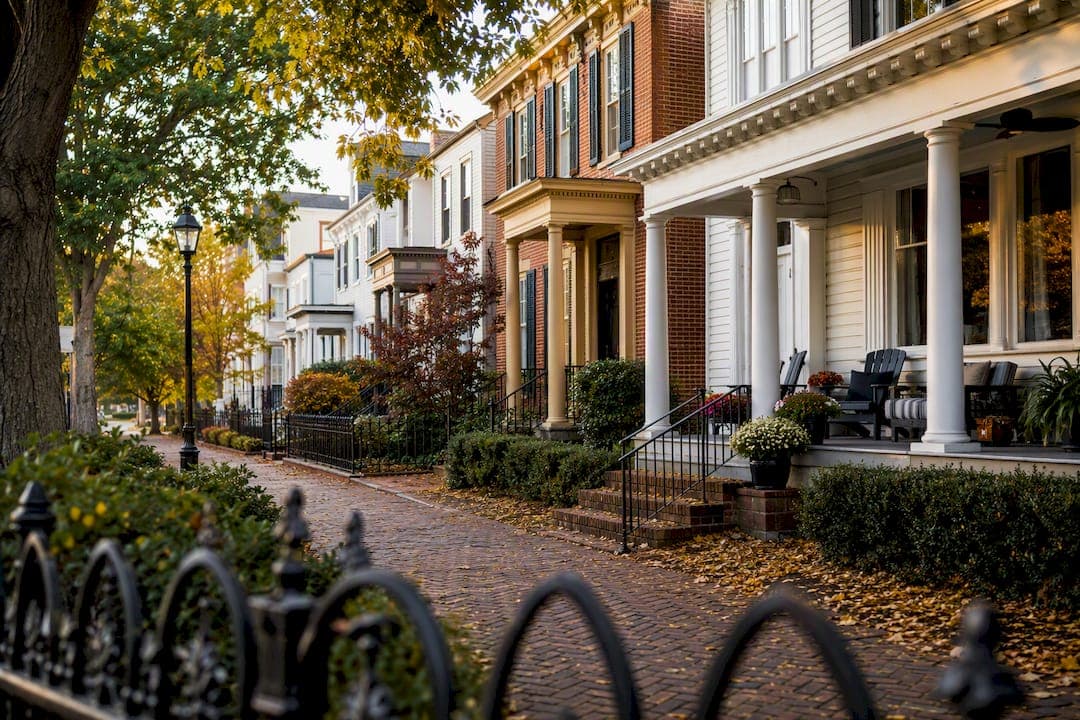
North Downtown, anchored by the Downtown Mall, gives you brick sidewalks, converted Victorians, and a five-minute walk to restaurants and live music. Expect higher price points and less parking, but near-total car independence.

Venable and the University neighborhood sit close to UVA's grounds, mixing student rentals with owner-occupied bungalows. It's a smart pick if you work at the university or want walkable access to campus events, though turnover from student housing can mean noise during the school year.
Fry's Spring offers a more residential, tree-lined feel with a strong sense of community identity, plus access to the historic Fry's Spring Beach Club. Housing here tends toward mid-century bungalows at moderate prices.
Fifeville and 10th and Page are in the middle of a slow transition, with a mix of longtime residents and newer buyers drawn to relative affordability close to downtown. Do your homework on specific blocks before committing.
Woolen Mills feels almost like a small village tucked along the Rivanna River, popular with people who want a quieter setting without leaving city limits entirely.

Albemarle County suburbs surrounding the city, including areas near Crozet and Pantops, deliver larger homes, better school-zone predictability for some families, and a car-dependent lifestyle in exchange for space and often lower per-square-foot pricing.
Local reporting on Charlottesville's neighborhood character consistently notes how much identity shifts within a few blocks, so don't rely on a single drive-through impression.
Pro Tip: Cross-reference the city's neighborhood factsheets with the local neighborhood association's meeting minutes. Associations often flag zoning changes, new development, and school-boundary discussions months before they hit the news.
Choose a city neighborhood if walkability and culture top your list. Choose a county suburb if square footage, yard space, and predictable school zoning matter more than a short commute.
What Does It Cost to Live in Charlottesville?
A single adult should budget close to $2,314 a month for baseline living expenses, while a family of four typically needs around $5,095 monthly to cover housing, food, transportation, and health care. Salary.com's 2026 figures put overall living costs in Charlottesville roughly 7% below the national average, but that headline number hides a lot of variation underneath it.
Housing is the category that swings the budget the most. Median gross rent sits near $1,540, and median household income lands around $74,824, according to Census, BEA, BLS, and HUD data aggregated by CompareLiving.us. Median home value runs close to $486,700, well above the national median and a figure that surprises a lot of newcomers who expected small-city pricing to mean small-city prices.
- Housing and utilities: above the national average, driven by limited inventory inside city limits.
- Groceries and transportation: close to or slightly below the national average.
- Health care: roughly in line with national norms, helped by strong local provider access.
- Entertainment and dining: moderate, with plenty of lower-cost options like farmers markets and free outdoor events offsetting pricier dinners downtown.
RentCafe's cost calculator confirms housing as the single largest line item for most households relocating here, which tracks with what agents see on the ground every week.
If you want a working number before you talk to a lender, take your target monthly housing payment, multiply by roughly three to estimate the annual salary most lenders want to see, and then cross-check that against the median household income figure above to gauge how competitive your target neighborhood might be.
Is It Better to Rent or Buy Right Now?
Charlottesville's small city limits and tight inventory mean well-located properties frequently draw multiple offers, so buyers need financing lined up before they start touring. Median home value sits around $486,700, and homes priced right for their neighborhood tend to move quickly rather than sit.
Rental rates vary by unit size and area: studios and one-bedrooms near UVA or downtown often run above the citywide median rent of $1,540, while three- and four-bedroom houses in county-adjacent areas can come in lower per square foot despite a higher total price.
If you're buying, follow this sequence:
- Get fully underwritten pre-approval, not just a pre-qualification letter, before you tour homes.
- Work with a local agent who knows which listings historically attract bidding wars.
- Build your offer with a realistic timeline and, where the market demands it, a clean contingency structure.
- Line up inspection and closing logistics early so you're not scrambling once an offer is accepted.
If you're renting, expect application fees, a security deposit often equal to one month's rent, and landlords who move fast on qualified applicants. Sign leases 30 to 60 days ahead of your target move date whenever possible, since the best units go early in each leasing cycle.
Pro Tip: If you're selling a home elsewhere before buying here, get a realistic read on your proceeds and timeline first. A mismatched closing schedule is one of the most common reasons buyers lose a Charlottesville bidding war.
Schools, Childcare, and Family Support
Families relocating here split mostly between Charlottesville City Schools and Albemarle County Public Schools, and which one applies depends entirely on your address, not your preference. Check attendance zones before you fall in love with a house, since boundary lines don't always follow neighborhood names.
- Charlottesville City Schools serves the urban core, with several elementary options feeding into a single city high school.
- Albemarle County Public Schools covers the surrounding suburbs and rural areas, with more schools spread across a larger geographic footprint.
- Private options range from small parochial schools to established independent schools, worth researching if a specific pedagogical approach matters to your family.
- Preschool and childcare slots fill early, especially near UVA and downtown, so start calling waitlists as soon as you have a target neighborhood.
Enrollment typically opens months before the fall term, and both districts require proof of residency, so finalize your lease or closing before you attempt registration. Local libraries, parks and recreation programs, and youth sports leagues fill out the family support network once you've landed.
Getting Around Charlottesville Without a Car Headache
Charlottesville Area Transit runs city bus routes, while UVA operates a separate university transit system for students, faculty, and staff. Bike and pedestrian infrastructure is genuinely good in the city core, less so once you cross into county suburbs.
Charlottesville-Albemarle Airport (CHO) offers regional flight connections, and Amtrak service links the city directly into the Northeast Corridor, a real advantage for anyone who splits time between Charlottesville and cities like Washington, D.C. or New York.
- Living within a mile of UVA or the Downtown Mall makes car-free living realistic.
- County suburbs generally require a car for daily errands and commuting.
- Parking downtown is limited and metered in busy corridors, so factor that into your neighborhood choice if you drive.
Life Outside Work: Parks, Food, and Culture
Shenandoah National Park sits about 30 minutes from most Charlottesville neighborhoods, putting Skyline Drive, Old Rag Mountain, and dozens of hiking trails within easy weekend reach. That kind of access is a genuine selling point for anyone tired of a two-hour drive just to see a trailhead.
Locally, the Downtown Mall anchors most of the cultural life: live music venues, independent theaters, a Saturday farmers market, and annual festivals that draw crowds from across Central Virginia. Local coverage often describes the city as small-city sophistication layered on top of easy outdoor access, and that framing holds up once you spend a few weekends here.
- Rivanna Trail and nearby county parks give quick access to running and biking without leaving town.
- UVA Health System anchors both healthcare access and a large share of local employment, alongside a growing biotech and professional-services sector tied to the university's economic footprint,
- Neighborhood-level amenities, like a nearby elementary school, a corner grocery, or a park within walking distance, often matter more to families than citywide attractions once the novelty wears off.
Your Charlottesville Moving Timeline: 3 to 6 Months Out
Give yourself a real runway. Rushing the housing search in a market this competitive usually costs you money or the neighborhood you actually wanted.
- Months 4 to 6 before moving: Research neighborhoods, get pre-approved if buying, and start budgeting against the cost figures above.
- Months 2 to 3 before moving: Tour homes or apartments, submit offers or applications, and finalize school enrollment paperwork.
- Month 1 before moving: Sign your lease or close on your home, book movers, and schedule utility setup for your move-in date.
- Move week: Transfer or establish utilities, update your driver's license and vehicle registration with the DMV, and register kids for school if you haven't already.
Budget for the categories people forget: security deposits or closing costs, moving-truck rental or a moving company, temporary storage if your closing and move-out dates don't align, and the first month of higher-than-usual grocery and takeout spending while you get settled.
- Utilities to arrange early: electric, water, internet, and trash service.
- Local providers worth lining up before move day: a pediatrician or primary care provider, a veterinarian if you have pets, and a reliable moving company with Charlottesville-specific experience.
How Beams Realty Group Helps You Land in the Right Neighborhood
Beamsrealtygroup specializes in personalized real estate services across Virginia, guiding buyers and sellers through local market analysis, home valuations, negotiation, and the kind of tricky situations that trip up out-of-town buyers, from probate sales to 1031 exchanges.
A local agent's real value shows up in the details you can't get from a listing photo: which school-zone line actually runs through a neighborhood, which streets flood during heavy rain, and which listings are priced to trigger a bidding war on purpose.
- Market access to homes before they're widely marketed, particularly valuable in a tight inventory market.
- Zoning and school-boundary knowledge that prevents costly assumptions.
- Negotiation support built around what's actually happening in a specific Charlottesville neighborhood right now, not generic advice.
Pro Tip: Come to your first consultation with a target neighborhood shortlist, your pre-approval letter if you're buying, and a clear list of must-haves versus nice-to-haves. It cuts weeks off the search.
A Few Weekends In, It Clicks
Most people underestimate how fast Charlottesville starts to feel like home. One quiet Saturday spent at the farmers market followed by a short drive up to Shenandoah does more to sell the city than any spreadsheet of cost-of-living numbers. The practical stuff still matters. Get your financing sorted, understand what a neighborhood's factsheet actually tells you, and talk to a local agent before you fall for a listing. That's the difference between landing in a house you settle for and one you actually planned to buy.
— Myra
Why Work With Beamsrealtygroup for Your Charlottesville Move
Beamsrealtygroup gives you something a spreadsheet or a listing app can't: a local agent who already knows which Fry's Spring block floods, which Albemarle County school zone actually applies to a house you're eyeing, and how to structure an offer that wins in a market where good listings don't last. That local knowledge is the real edge, especially when you're relocating from out of state and can't spend every weekend driving neighborhoods yourself.
Whether you're buying your first home near UVA, selling a property before your move, or navigating a more complex situation like a 1031 exchange or an estate sale, Beamsrealtygroup builds a plan around your actual timeline and budget instead of a generic checklist. If you're ready to turn your Charlottesville research into a real house-hunting plan, start with Beams Realty Group and get matched with an agent who knows the neighborhoods you're already considering.
Where to Verify These Numbers Yourself
Start with the city's official neighborhood factsheets for boundary and planning details on each area. Cross-check cost-of-living figures against Salary.com's Charlottesville data and the Census-based benchmarks on CompareLiving.us. For travel planning, Amtrak and CHO airport connections are covered in detail, and Shenandoah National Park's site has current trail and access information for weekend trips.