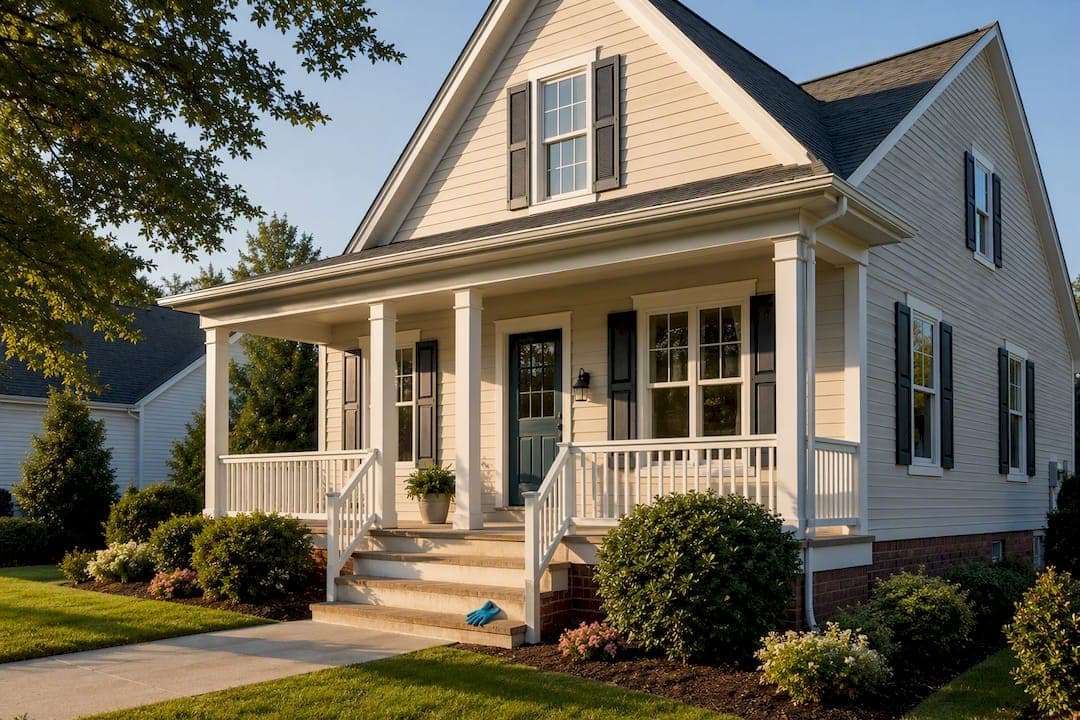
Paint the front door, pressure-wash every hard surface, refresh the mulch, and add two oversized planters by the entry. Those four moves cost the least and change the most in the shortest time. Pick one bigger project (garage door, walkway, or exterior paint) and pair it with three small wins, and most homeowners can complete a visible refresh in about two weekends for under $500.
TL;DR:
- Nearly all visual curb appeal improvements can be completed in a weekend for under $500, focusing on the front door, surfaces, planters, mulch, and hardware.
- Pressure-washing and repainting the front door with dark, timeless colors significantly rejuvenates a home's appearance without permits or contractors.
- Structural plantings, such as deeper foundation beds and uniform plant grouping, create a cohesive, landscape that looks intentional and adds year-round interest.
- Upgraded lighting, hardware, and color schemes in warm neutrals with coordinated finishes boost perceived quality and curb presence efficiently.
- Larger projects like garage door replacements or full exterior repainting deliver the highest return but should be paired with small fixes for a complete boost in value and appeal.
Table of Contents
- Curb Appeal Ideas You Can Finish in a Weekend
- Budget-Friendly Ideas Under $100
- Landscaping Basics That Make a Yard Look Designed
- Lighting and Hardware Details That Read as High-End
- Mid-Range Upgrades Worth the Investment
- How to Plan a Curb Appeal Project Without Overthinking It
- What Curb Appeal Fixes Mean for Home Sellers
- Lawn Care and Maintenance Tips That Protect Your Work
- Curb Appeal Mistakes That Undo Your Progress
- Choosing Exterior Color Schemes That Work
- Fence and Gate Upgrades That Add Definition
- Shutters: Installing or Refreshing an Easy Architectural Detail
- Seasonal Decor That Doesn't Look Cluttered
- A Realtor's Honest Take on Where to Start
- Getting Expert Help Before You List Your Home
- Sources
Curb Appeal Ideas You Can Finish in a Weekend
A weekend is enough time to change how your whole house reads from the street. These five projects need no permits, no contractor, and mostly cost the price of materials.
- Paint the front door. Clean it, sand glossy spots, prime bare wood, then apply two coats of exterior door paint in a satin or semi-gloss sheen so it sheds rain and fingerprints. Deep navy, black, and forest green sell well because they read as intentional rather than trendy. Budget one full day including dry time between coats.
- Pressure-wash the exterior. Siding, walkways, the porch, and the driveway all collect a year of grime that dulls color from the curb. Start on the lowest pressure setting and test an inconspicuous patch first. Broker and designer sources call this the "best-kept secret" of curb appeal because it can make a house look years younger in a single afternoon.
- Set out large planters. Two matching pots flanking the door, planted with something tall and something trailing, do more for balance than a dozen small pots scattered around the yard. Go bigger than instinct tells you. Undersized planters are the most common styling mistake on a porch.
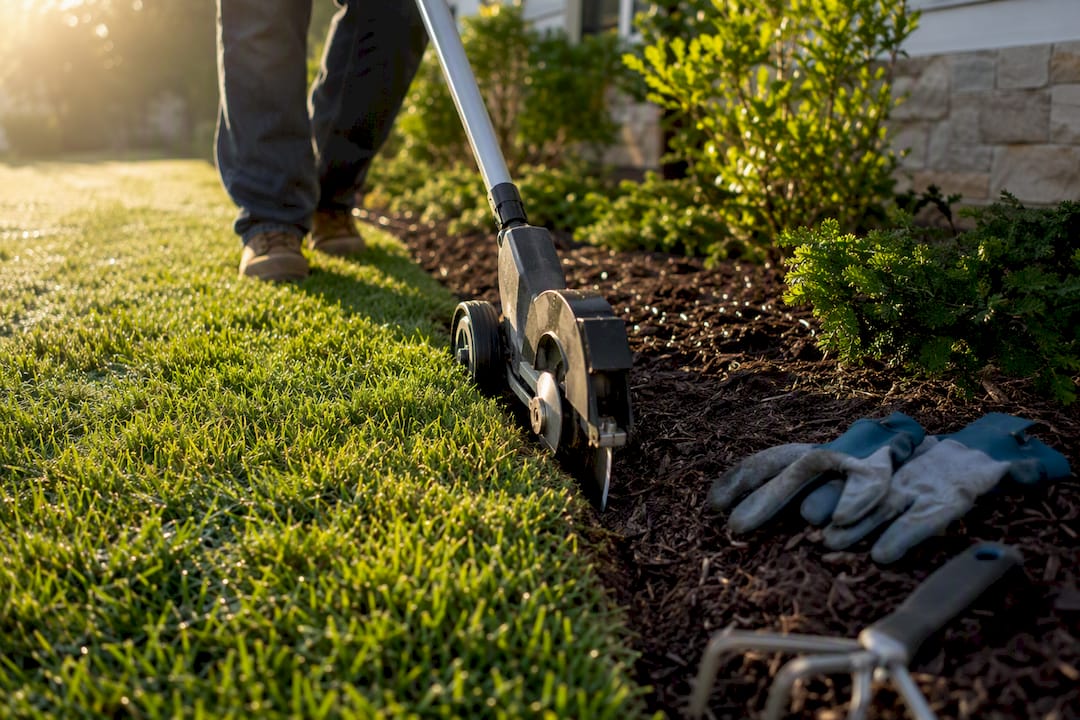
- Refresh the mulch and edge the beds. Pull old, sun-bleached mulch, lay two to three inches of fresh material, and cut a crisp edge along the lawn line with a flat spade or edger. A clean edge line does more visual work than the mulch color itself.
- Swap dated hardware. New house numbers, a matching mailbox, and updated porch light fixtures in one finish take an afternoon and pull the whole front elevation together.
Pro Tip: Buy your door paint and your porch light fixtures at the same time and hold them next to each other in daylight. Color and metal finish clash more often than homeowners expect, and it's cheaper to catch it in the store than after installation.
Budget-Friendly Ideas Under $100
You don't need a big number to see a real difference. These upgrades stay under $100 for less curb appeal, and several stack together for one strong Saturday project.
- Polish or repaint tarnished door hardware, hinges, and the kickplate instead of replacing them.
- Refresh the mailbox with exterior paint or a new post cap, or add a coordinating house-numbers decal.
- Set a quality coir or rubber welcome mat that fits the porch width, not a generic small rectangle.
- Fill two or three container plants near the entry with a single dramatic species instead of a mixed tray.
- Install a window box under a front-facing window and plant it seasonally.
- Hang a simple wreath or a piece of weatherproof wall art on the door or beside it.
- Patch cracked walkway pavers and touch up chipped porch paint before anything else on this list.
Landscaping Basics That Make a Yard Look Designed
Most yards that look "off" aren't missing plants. They're missing structure. Foundation beds that hug the house too tightly are the number one reason a landscape looks accidental instead of intentional.
- Deepen foundation beds to four to six feet for a single-story home, expanding gradually over a season or two if the budget is tight this year.
- Layer by height: taller plants against the house, mid-size shrubs in front, low groundcover or edging plants at the border.
- Repeat the same three or four plant varieties in groups of three or five rather than buying one of everything at the nursery.
- Anchor the bed with evergreens for year-round structure, then add seasonal perennials for color that rotates through the year.
- Size every plant for its mature width, not its current nursery-pot size, to avoid the overcrowded look five years from now.
- Place one specimen tree where it will be the eye's first stop from the street. One well-placed tree does more than a dozen mismatched shrubs scattered across the yard.
Bed depth alone changes how a house reads from the curb. A 4 to 6 foot bed gives a house room to "settle" into its lot instead of looking like it's floating on a thin green strip.
Lighting and Hardware Details That Read as High-End
Light and metal finish are the two details buyers and neighbors notice without knowing why. Get them consistent and the whole house looks like it belongs to someone who takes care of it.
- Stagger path lights instead of lining them up like an airport runway. Irregular spacing looks more natural after dark.
- Uplight one or two specimen trees or the porch columns rather than flooding the whole yard with light.
- Choose 2700 to 3000K warm LED bulbs everywhere outside. Cool white light makes a home look institutional.
- Pick one metal finish, bronze, brass, or matte black, and use it on the mailbox, house numbers, porch sconces, and door hardware.
- Pressure-wash concrete and pavers annually; reseal a driveway only when water stops beading on the surface, usually every two to three years.
Pro Tip: If you can only upgrade one light fixture, make it the one directly over or beside the front door. It's the fixture every visitor and every listing photo captures first.
Mid-Range Upgrades Worth the Investment
Once the weekend fixes are done, a few bigger projects deliver outsized return relative to their cost, typically landing in the $500 to $3,000 range depending on materials and whether you hire out the labor.
- Garage door replacement. This consistently ranks among the highest-ROI exterior projects homeowners can make, since the garage door often covers a third of the front facade.
- Paver walkway. A DIY-friendly project for a straight, short path; hire a pro for curves, drainage concerns, or anything longer than about 20 feet.
- Full exterior repaint. Worth it when siding shows chalking, fading, or peeling rather than just an outdated color, since surface prep is where the real cost sits.
- New front door. Justified when the existing door is warped, drafty, or beyond what paint can fix, not as a first move if the current door is structurally sound.
How to Plan a Curb Appeal Project Without Overthinking It
Pick one major change, then add three small wins around it. That single rule prevents the paralysis of trying to fix everything at once.
- Weekend plan (under $200): door paint, mulch refresh, one pair of planters.
- Season plan ($500 to $1,000): landscape lighting, foundation bed expansion, hardware overhaul.
- Full refresh ($3,000+): garage door or full repaint plus the season-plan items layered on top.
Before hiring a contractor, ask for a written timeline, a materials list, and whether the quote includes disposal of old materials. Once the project is done, protect it with an annual power wash, a spring mulch refresh, and seasonal pruning so the investment doesn't fade by next year.
Pro Tip: Take "before" photos from the street, not close-up. It's the only way to actually see your progress instead of getting used to it gradually.
What Curb Appeal Fixes Mean for Home Sellers
Buyers form an opinion before they get out of the car, and that first impression follows them through the entire showing. The same low-cost fixes that improve daily enjoyment of a home also speed up how buyers perceive value once it's listed.
- Door paint, pressure washing, and mulch refresh are the three moves that show up most often in pre-listing checklists because they're fast and buyers notice them immediately.
- A staging plan that includes the exterior, not just interior rooms, tends to generate stronger first showings.
- Pair curb-appeal work with a pre-listing inspection so cosmetic fixes don't mask something an appraiser or inspector will flag later.
- Before listing, walk the exterior with fresh eyes: clear the walkway, wash the door glass, remove personal yard clutter, and confirm every exterior light works.
Lawn Care and Maintenance Tips That Protect Your Work
A patchy or overgrown lawn undercuts every other improvement you make, so it deserves its own routine, not an afterthought.
Mow at the correct height for your grass type, usually two and a half to three inches for cool-season lawns and shorter for warm-season varieties, and never cut more than a third of the blade length at once. Sharpen mower blades at least once a season. A dull blade tears grass instead of cutting it, leaving ragged tips that brown and make the whole lawn look tired even right after mowing.
Water deeply and less often rather than a light daily sprinkle, which trains roots to stay shallow and weak. Early morning watering, before 9 a.m., cuts evaporation loss and reduces fungal risk compared to evening watering.
Feed the lawn on a seasonal schedule rather than guessing. Overseed thin patches in early fall for cool-season grass or late spring for warm-season varieties, and pull or spot-treat weeds before they seed rather than after. A crisp edge between lawn and bed, cut monthly during the growing season, keeps everything else on this list from looking sloppy around the borders.
Curb Appeal Mistakes That Undo Your Progress
The fastest way to waste a curb-appeal budget is adding without editing first. Designers repeatedly flag clutter and mismatched finishes as the reason a home with plenty invested still looks unfinished.
Overplanting is the most common landscaping mistake: cramming a bed with a dozen different species instead of repeating three or four varieties in groups creates visual noise instead of cohesion. Mismatched metal finishes across the mailbox, house numbers, and light fixtures make even freshly updated hardware look like an afterthought. Skipping the pressure wash before painting anything is another frequent error since paint applied over grime and mildew fails within a season.
Oversized house numbers or undersized porch furniture throw off proportion, and a lawn edge left ragged undercuts a fresh mulch job almost instantly. The last mistake is timing: painting a door or planting new shrubs right before a hard freeze or the peak heat of summer sets the whole project up to fail before it even has a chance to establish.
Choosing Exterior Color Schemes That Work
The strongest exterior color schemes follow a simple three-part structure: a dominant body color, a trim color with enough contrast to define architectural lines, and one accent color reserved for the door and maybe the shutters.
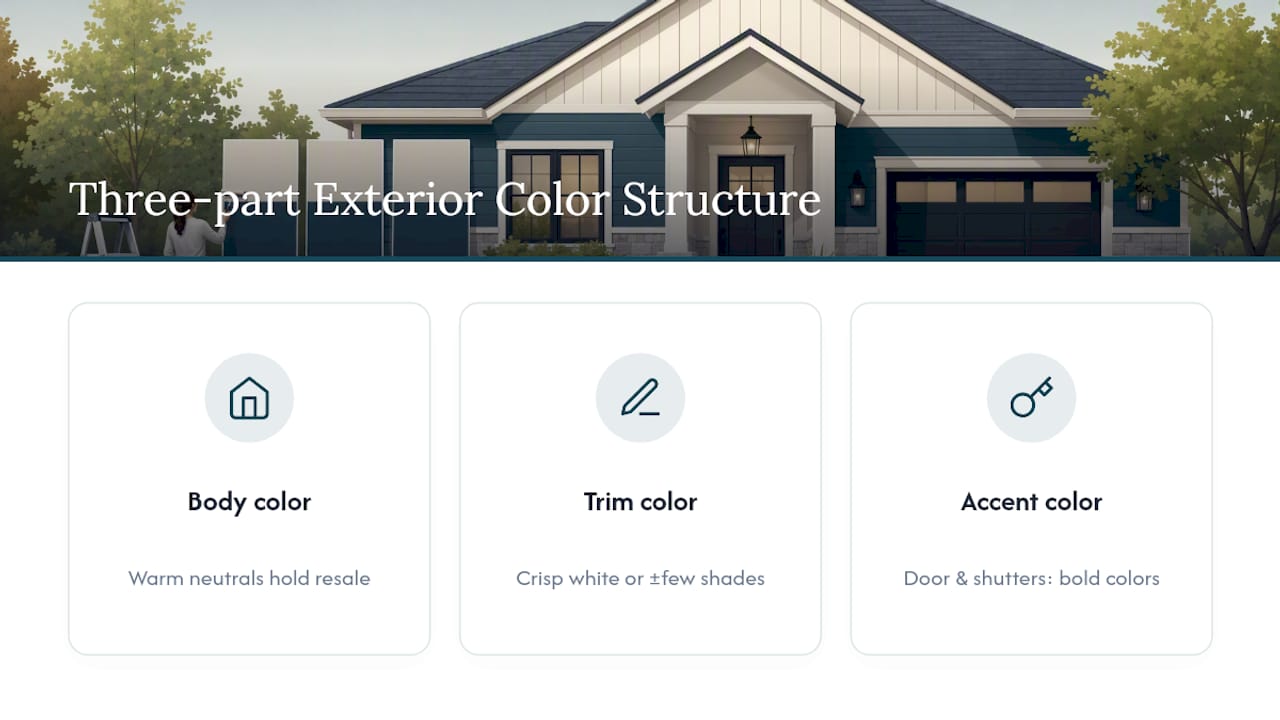
Warm neutrals like greige, warm white, and soft taupe read as timeless and tend to hold resale value better than trend-driven colors on the main body of the house. Save bold color, navy, forest green, black, or a saturated red, for the door and small accents where it reads as a deliberate choice rather than an overwhelming statement. Trim almost always works best in a crisp white or a color a few shades lighter or darker than the body, never the exact same tone, or the architectural details disappear.
Before committing, test swatches on the actual siding at different times of day. Exterior paint colors shift dramatically between morning light, midday sun, and dusk, and a color that looked perfect on a paint chip inside a store can read completely different against real brick or siding.
Fence and Gate Upgrades That Add Definition
A fence frames the entire property line, and a tired or leaning one drags down every other improvement behind it. Start with structural repairs, replacing rotted posts, tightening loose pickets, and rehanging a sagging gate, before any cosmetic work, since paint or stain over a failing structure only postpones the real fix.
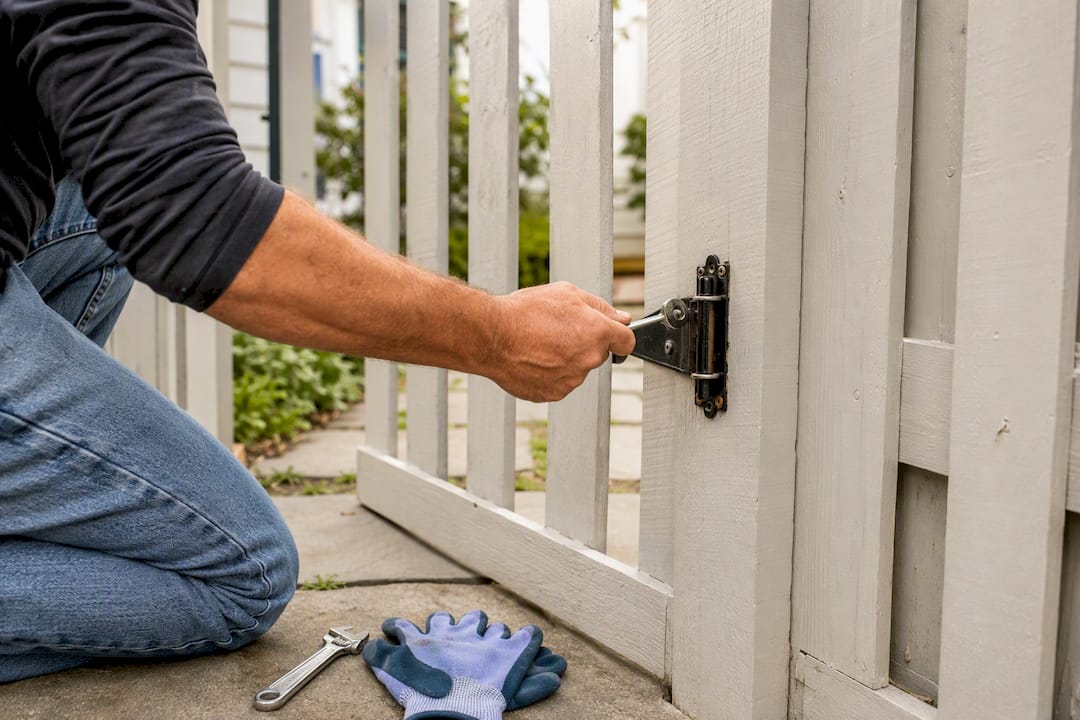
A fresh coat of stain or paint in a color that complements the house body, rather than matching it exactly, gives the fence its own identity while still looking coordinated. Black or dark bronze metal fencing tends to photograph and age better than unfinished wood in most climates. For gates, a working, well-oiled latch and hinges that don't squeal matter more than material choice. A gate that sticks or drags across the walkway is one of the first things a visitor notices, even before they register the fence style around it.
Shutters: Installing or Refreshing an Easy Architectural Detail
Shutters are one of the cheapest ways to add architectural interest to a flat facade, and they're forgiving for a DIY weekend project since most mount with a handful of screws or clips.
Size matters more than color here. Shutters should be sized to actually cover the window opening when closed, even though most modern shutters are decorative and don't close at all; undersized shutters are the single most common installation mistake and make a house look like it's wearing the wrong size clothes. Match the shutter color to the accent color used on the front door for a coordinated look, or choose a color that contrasts cleanly with the body color if the door is left neutral. Vinyl shutters cost less and need almost no maintenance, while wood or composite versions offer more texture but require repainting every few years.
Seasonal Decor That Doesn't Look Cluttered
Seasonal decor works best as an accent to the bones you've already built, not a replacement for them. A door that's already painted well and a porch with good proportions need very little seasonal styling to look finished.
In fall, a single well-sized wreath, a small cluster of pumpkins on the steps rather than scattered across the whole porch, and warm-toned mums in the existing planters carry the whole look. Winter calls for restraint: one strand of warm white lights along the roofline or porch railing outperforms a dozen competing decorations. Spring is the easiest season to update, since swapping planter contents for fresh annuals and adding a lighter-colored wreath does most of the work. Summer decor should stay minimal, since strong sunlight already does a lot of the visual work; a few well-maintained hanging baskets are usually enough.
The rule that holds across every season: decor should highlight the architecture you've already invested in, not compete with it for attention.
A Realtor's Honest Take on Where to Start
Start with the door and the dirt. Everything else is negotiable, but a clean facade and a bold entry color change how buyers and neighbors read the whole house before they notice anything else. Years of walking properties with sellers taught me that the projects people skip, edging, hardware finish, pressure washing, are exactly the ones that make the biggest difference for the least money. For more seller-specific breakdowns, the Beams Realty Group blog has practical guides worth bookmarking before you list.
— Myra
Getting Expert Help Before You List Your Home
A local real estate group helps Virginia sellers figure out which curb-appeal fixes actually move the needle before a home hits the market, instead of guessing which projects buyers will notice. Listings often include a walk-through focused on what a buyer sees in the first ten seconds, paired with local market knowledge about what similar homes in an area needed before they sold quickly.

If you're weighing whether to spend a weekend on paint and mulch or invest in a bigger project like a garage door or full repaint, that's exactly the kind of decision a pre-listing inspection is built to answer, since it flags what buyers and appraisers will actually scrutinize. For door-specific upgrades beyond paint, door improvement guidance from One Day Doors & Closets pairs well with the front-entry projects above. Schedule a consult through Beams Realty Group to get a prioritized list built around your home, your timeline, and your budget, before you spend a dollar on the wrong project.
Sources
- 25 Ways to Get Instant Curb Appeal for Less Than $100 - HGTV
- 37 Curb Appeal Ideas for the Best Front Yard on the Block - Better Homes & Gardens
- 10 Small Changes That Instantly Boost Your Home’s Curb Appeal - Southern Living
- Front yard landscaping ideas for curb appeal that work - Backyard Edit
- 21 Curb Appeal Ideas That Actually Add Value (Remodel AI)