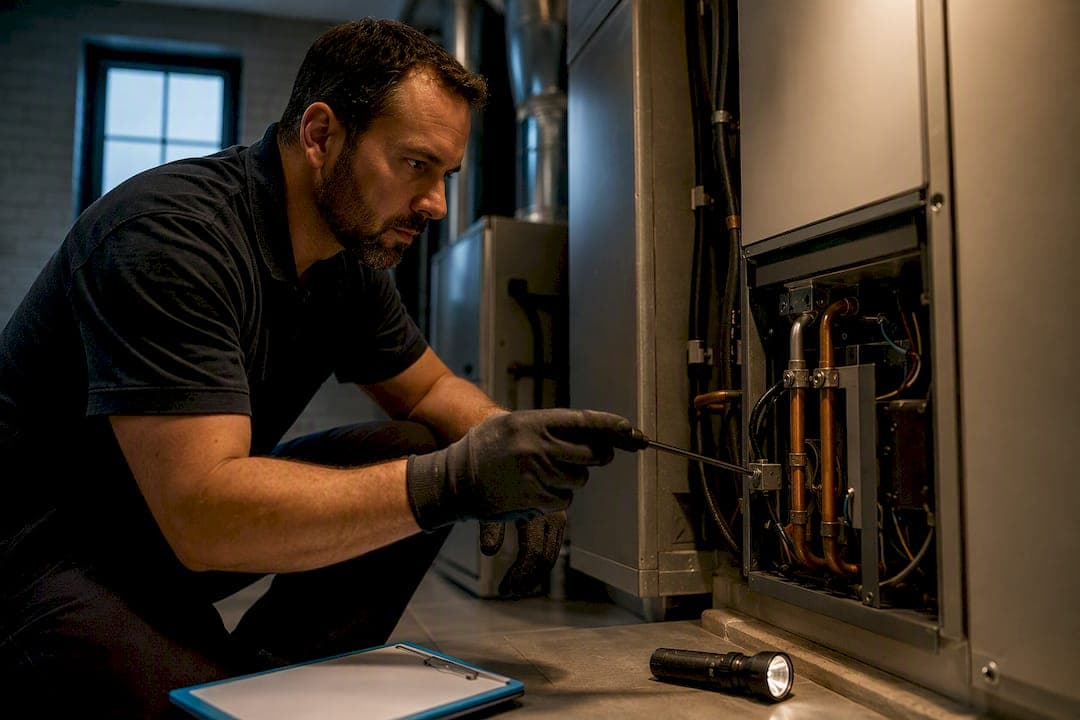
Yes. In most cases, a pre-listing inspection is worth the typical cost it involves, because it puts repair decisions, contractor choice, and pricing strategy in your hands instead of a buyer's. You still have to disclose what it finds, but a seller who knows the problems ahead of time controls the story. A seller who finds out at the negotiating table doesn't.
TL;DR:
- A pre-listing inspection allows sellers to control repair decisions, pricing, and disclosures before listing to prevent deal cancellations and lower offers.
- The typical inspection costs depend on home size and age, with add-on tests like radon or sewer scope costing extra, often yielding digital reports within 72 hours.
- Proper home preparation, including accessible utilities and recent maintenance, is crucial for an accurate inspection and effective report.
- Disclosing findings from a pre-listing inspection legally obligates sellers to reveal known defects, but well-managed disclosure fosters buyer trust.
- Inconsistent inspection standards and regional requirements mean verifying inspector credentials and understanding local disclosure laws are essential steps.
Table of Contents
- What Is a Pre-Listing Inspection, and How Is It Different From a Buyer's Inspection?
- Why Get a Pre-Listing Inspection Before You List?
- How Much Does a Pre-Listing Inspection Cost, and What Does It Cover?
- How Do You Prepare Your Home Before the Inspector Arrives?
- What Should You Do With the Inspection Report?
- How Do You Choose a Qualified Home Inspector?
- When Should You Schedule the Inspection Before Listing?
- How Beams Realty Group Puts Inspection Findings to Work
- What Are the Downsides and Legal Risks of a Pre-Listing Inspection?
- Do Inspection Standards and Rules Vary by Region?
- Does a Pre-Listing Inspection Affect Your Home's Value?
- What If the Buyer's Inspector Finds Something Yours Missed?
- Myra's Take: The Three Things I'd Do Before Listing
- How Beams Realty Group Handles Inspections, Repairs, and Pricing
- Sources
What Is a Pre-Listing Inspection, and How Is It Different From a Buyer's Inspection?
A pre-listing inspection is one you order and pay for, before the home ever hits the market, using the same general home inspection standards a buyer's inspector would follow: roof, structure, electrical, plumbing, HVAC, and the rest of the major systems. The report belongs to you. You decide who sees it, when, and in what form.
That's the key difference from a buyer's inspection, which happens after you're under contract and gets ordered, paid for, and controlled by the other side. Most buyers will still hire their own inspector even after seeing your report, according to Zillow, so don't think of a pre-listing inspection as a replacement. Think of it as intelligence gathered early enough to act on.
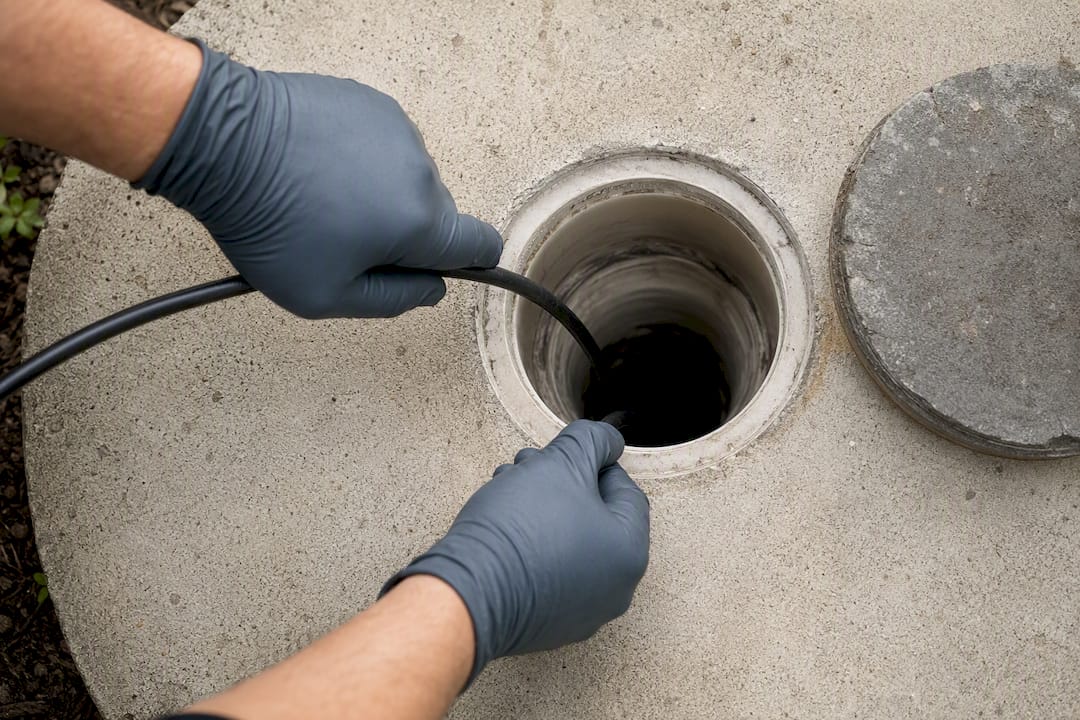
Sellers often add specialized tests the standard inspection doesn't cover: radon testing, a sewer scope (crucial in homes with older clay or cast iron lines), and a termite or wood-destroying-insect inspection. In regions with older housing stock or known pest pressure, skipping these add-ons is how sellers get blindsided during the buyer's inspection period instead of before it.
Why Get a Pre-Listing Inspection Before You List?
The biggest practical benefit is fewer canceled deals. Real estate professionals report a growing shift toward pre-listing inspections specifically to head off contracts that fall apart late, once a buyer's inspector turns up something nobody expected, according to the National Association of Realtors. A canceled contract doesn't just cost you the sale. It costs you the listing's momentum, and relisting a home that "fell out of contract" makes buyers suspicious even when the reason was minor.
Pro Tip: A listing that's already fallen through once tends to attract lower offers the second time around. Buyers assume something's wrong, even when the real issue was just a scheduling conflict.
Beyond avoiding a blown deal, a pre-listing inspection gives you:
- Control over which contractor does the repair work, instead of accepting whoever the buyer's inspector recommends under time pressure
- Room to shop repair quotes at normal rates instead of paying rush fees during a tight closing window
- A pricing tool. You can set a number that already reflects the home's true condition instead of guessing and getting renegotiated down later
- A marketing angle. Agents increasingly highlight "pre-inspected" status in listings to reassure buyers upfront, per NAR
How Much Does a Pre-Listing Inspection Cost, and What Does It Cover?
Expect to pay a modest fee for a standard pre-listing inspection, with the exact number driven by square footage, the home's age, and your region, according to the ASHI Reporter. Larger or older homes push toward the top of that range. Add-on tests are separate line items on top of it.
Most inspections take a few hours onsite, and many inspectors now deliver a digital report with photos and condition ratings within 24 to 72 hours, often grouping findings into safety hazards, functional deficiencies, and maintenance items, per Legal Clarity.
What's on the checklist:
- Roof condition, flashing, and gutters
- HVAC system age, function, and maintenance history
- Plumbing fixtures, water heater, and visible pipe condition
- Electrical panel, wiring, and outlet safety
- Foundation and structural elements
- Interior and exterior condition, including windows and doors
- Attic insulation and ventilation
- Crawlspace moisture and pest signs
Add-ons run separately: radon testing typically adds a modest fee, a sewer scope costs more given the camera equipment involved, and termite inspections vary by region and infestation risk.
How Do You Prepare Your Home Before the Inspector Arrives?
An inspector who can't access something can't clear it, and "unable to evaluate" notes on a report are almost as unsettling to a future buyer as an actual defect. A little prep work closes that gap.
- Clear a path to the electrical panel, water heater, furnace, attic hatch, and crawlspace entrance.
- Turn on all utilities, including gas and water, so the inspector can test appliances and fixtures under real conditions.
- Test your smoke detectors, carbon monoxide detectors, and GFCI outlets yourself the day before.
- Pull together permits, receipts, and warranty documents for any major work: roof replacement, HVAC swaps, electrical panel upgrades.
- Handle the cheap wins: replace burnt-out bulbs, tighten loose handrails, fix running toilets.
Pro Tip: Inspectors note when a home "feels maintained" versus neglected, even in categories they can't formally score. A clean furnace filter and a labeled electrical panel signal a well-kept house before the inspector even opens a report template.
What Should You Do With the Inspection Report?
Not every finding deserves the same response, and treating a hairline drywall crack with the same urgency as a failing water heater wastes both your money and your timeline. Work through the report in tiers.
- Fix first: anything that's a safety hazard or would block a buyer's financing, like an outdated electrical panel, active roof leaks, or a cracked heat exchanger.
- Fix or disclose: high-visibility functional issues buyers will notice and ask about, like a slow drain or a door that doesn't latch.
- Price in or document: cosmetic wear that's real but not worth a repair project, like scuffed paint or dated fixtures.
Document every repair with receipts, warranty paperwork, and the contractor's license number. That paper trail becomes leverage in negotiations and protects you legally.
On disclosure: sellers are legally required to disclose known material defects, and skipping that step after your own inspection flagged the problem raises your legal exposure significantly, according to DSDT. Sharing the report itself, alongside repair documentation, tends to build buyer trust rather than scare buyers off. InterNACHI specifically recommends keeping copies of both the report and repair receipts available for buyers to review.
How Do You Choose a Qualified Home Inspector?
Membership in InterNACHI or ASHI is the baseline credential worth checking, along with any state licensing requirement in your area. Beyond membership, ask direct questions before you book.
- Do you carry errors and omissions (E&O) insurance? Get a yes and a policy detail, not a vague answer.
- Can I see a sample report? A real inspector has one ready in seconds.
- What's your turnaround time for the finished report? Anything past 72 hours is slow by current standards.
- Will you walk the property with me afterward to explain findings in plain language?
Walk away from anyone who also offers repair contracting on the side. That dual role creates an incentive to find (or invent) problems they can then get paid to fix, which is exactly the conflict of interest InterNACHI warns sellers to avoid.
When Should You Schedule the Inspection Before Listing?
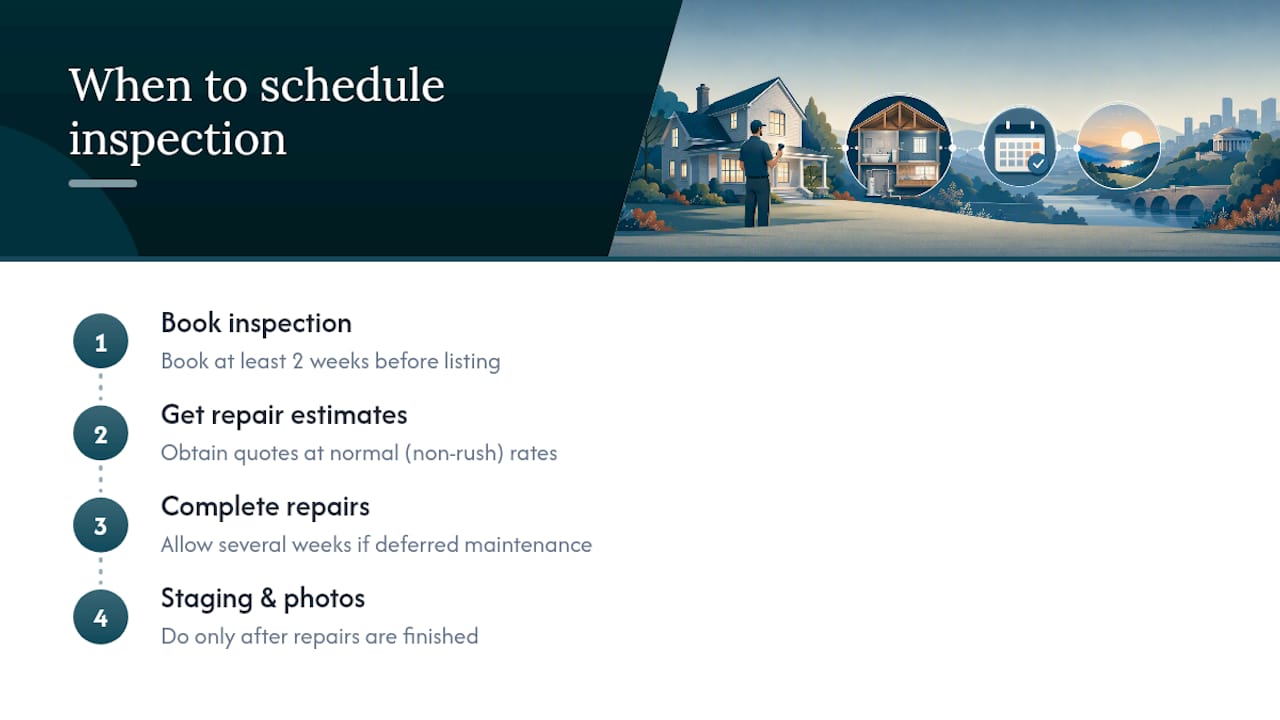
Book it at least two weeks before you plan to list, and give yourself several weeks if you suspect the home has deferred maintenance, according to the Shone Group's pre-listing guide. That buffer isn't padding. It's the time you need to get repair quotes at normal rates instead of paying rush pricing when a closing deadline is bearing down.
Work backward from your target listing date: inspection first, then repair estimates, then the actual work, and only after that staging and photography. Trying to compress inspection and repairs into the same week you're shooting listing photos is how sellers end up either delaying the launch or listing with unresolved items they didn't have time to address.
How Beams Realty Group Puts Inspection Findings to Work
In practice, the inspection report is the starting point, not the finish line. Once findings come in, the next moves are getting repair estimates, deciding what gets fixed versus disclosed, and folding the real condition of the home into your pricing strategy. That's where an agent earns their keep: sequencing repairs against your listing date and pointing you to vetted contractors instead of leaving you to Google search reviews under time pressure.
Disclosure questions with real legal weight, like whether a specific defect must be disclosed in your state, belong with a real estate attorney. Pricing and repair sequencing belong with your agent.
What Are the Downsides and Legal Risks of a Pre-Listing Inspection?
Here's the tradeoff nobody skips over when they're selling you on the benefits: once you know about a defect, you can't un-know it. A pre-listing inspection creates a paper trail, and that paper trail creates disclosure obligations you didn't necessarily have before.
Sellers are legally required to disclose known material defects to buyers, and finding a problem through your own inspection and then failing to disclose it substantially raises your legal exposure, according to DSDT. This is the calculation some sellers get wrong: they assume ignorance is a legal shield. It usually isn't, and a pre-listing inspection removes the ignorance defense entirely for anything it catches.
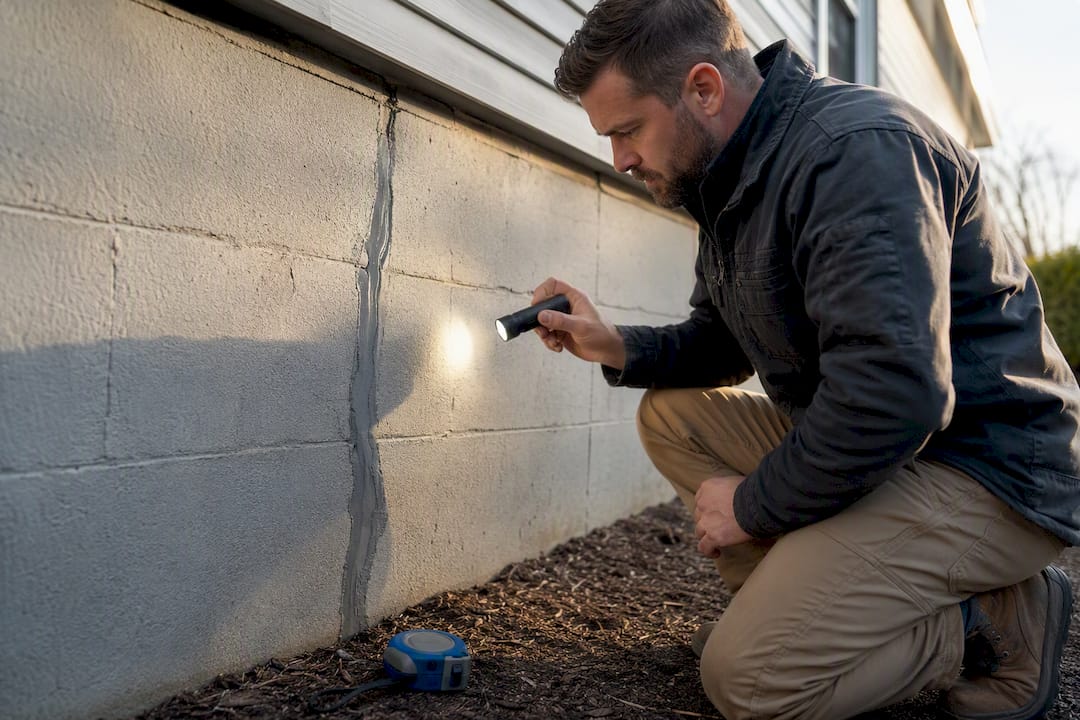
The upside is that disclosure done well doesn't scare buyers, it reassures them. Providing the inspection report alongside documentation of completed repairs tends to build buyer trust rather than trigger flight, per the same DSDT analysis. A buyer who sees you addressed a foundation crack with a licensed contractor and a warranty is in a very different headspace than a buyer who discovers that crack cold during their own inspection.
The other real downside is cost with no guaranteed return. You're paying $300 to $600 (plus add-ons) with no certainty a buyer will value the transparency the way you hope. Homes in fast-moving, low-inventory markets sometimes sell without much buyer leverage regardless of what a pre-listing report says. In those markets, the inspection's biggest value shifts from "marketing tool" to "pricing accuracy tool," which still matters, just differently.
Do Inspection Standards and Rules Vary by Region?
Yes, and the variation is bigger than most sellers expect. Disclosure law is set at the state level, which means what counts as a "known material defect" you must disclose in one state can differ from the standard next door. There's no single national disclosure form; check your state's specific requirements rather than assuming a national standard applies uniformly.
Regional building stock drives which add-on tests actually matter. Termite and wood-destroying-insect inspections are close to mandatory in humid, high-pressure regions and largely irrelevant in dry, cold ones. Radon testing matters most in regions sitting on certain rock formations and soil types, while it's a non-issue in others. Sewer scope inspections matter most in neighborhoods with older clay or cast-iron sewer lines, common in homes built before mid-century plumbing standards changed.
Licensing requirements for inspectors themselves vary too. Some states require a state-issued inspector license as a baseline; others rely on voluntary association membership through groups like InterNACHI or ASHI as the main quality signal. That's exactly why confirming credentials before you hire, rather than assuming a state license exists, matters everywhere. A local licensed inspector check is worth doing before you book anyone, regardless of what your neighbor used last year.
Does a Pre-Listing Inspection Affect Your Home's Value?
A pre-listing inspection doesn't change your home's appraised value directly. An appraiser works off comparable sales and property characteristics, not your inspection report. What the inspection changes is how confidently you can defend your asking price and how much of that price survives negotiation.
Here's the mechanism: without a pre-listing inspection, you're pricing based on assumptions about condition. If a buyer's inspector later finds $8,000 in deferred roof maintenance you didn't know about, that number gets renegotiated off your price, often with less leverage than you'd have had setting the price yourself. Get the inspection first, and that same $8,000 either gets fixed before listing (protecting your asking price) or gets priced into the listing from day one (protecting your negotiating position, since the buyer can't "discover" something you already accounted for).
Sellers using this approach effectively convert unknown risk into known cost, and known cost is something you can price around. Unknown risk is something a buyer's inspector finds on their timeline, not yours, and negotiates against you with the deal already on the table.
There's also a softer valuation effect worth naming: homes marketed as "pre-inspected" tend to move faster and attract more serious offers, since agents increasingly use that status as a trust signal in listing materials, per NAR. Speed and buyer seriousness both affect your final number, even when they don't show up as a line item.
What If the Buyer's Inspector Finds Something Yours Missed?
It happens, and it doesn't automatically mean your inspector did a bad job. Different inspectors have different thresholds for what gets flagged, weather conditions change between inspections, and some issues (a slow leak, for instance) only become visible after enough time has passed.
When a buyer's report contradicts or adds to yours, resist the urge to dismiss it outright or accept it wholesale. Start by comparing the two reports side by side for the specific item in question. If your inspector missed something the buyer's inspector caught, get a second opinion from a licensed contractor in that specific trade (roofer, electrician, plumber) rather than relying on either general inspector's take as the final word.
If the disagreement is about severity rather than existence (both inspectors saw the crack, but disagree on whether it's cosmetic or structural), a specialist opinion is the tiebreaker, not a negotiation between agents. Document that specialist's findings in writing, since it becomes the basis for whatever repair credit or price adjustment gets negotiated.
Your pre-listing report still has value here even when it's contradicted: it shows good faith. A seller who disclosed everything they knew, based on a real inspection, and then addressed a new finding promptly is in a far stronger position than one who never inspected at all and gets accused of hiding something. That paper trail, again, is what protects you.
Myra's Take: The Three Things I'd Do Before Listing
Skipping a pre-listing inspection to save $500 is the kind of decision that looks smart until a buyer's inspector finds a bigger problem at the worst possible moment in your timeline. My advice: schedule the inspection now, pull together your permits and repair receipts while you wait for the report, and walk the findings through with your agent before you set a price. Coordinated the right way, this process takes weeks, not months.
— Myra
How Beams Realty Group Handles Inspections, Repairs, and Pricing
Coordinating a pre-listing inspection alone means researching inspectors, chasing contractor quotes, and figuring out disclosure rules on your own, on top of everything else that comes with selling a house. Beams Realty Group is the alternative to doing that solo: our Virginia agents coordinate the inspection, connect you with vetted contractors for whatever the report flags, and build the findings directly into your pricing strategy instead of leaving you to guess.

That means you're not choosing between a fast sale and a fully informed one. We've walked enough sellers through this exact sequence, inspection, estimate, repair, list, to know where sellers usually get stuck, and it's almost always the contractor-vetting step or the disclosure question, not the inspection itself. If you're weighing whether to fix a finding or price it in, that's a conversation worth having with your agent before the report even lands. For listing copy that highlights completed repairs and pre-inspected status the right way, tools like AgentWrite can help translate your report into buyer-facing language too.
Ready to get started? Reach out to Beams Realty Group to schedule your inspection coordination and get a pricing strategy built around your home's real condition, not a guess.
Sources
- Is it mandatory for sellers to disclose home inspections? | DSDT
- Agents turn to pre-listing inspections to prevent canceled contracts - NAR
- Should I get a pre-listing home inspection? - Zillow
- Seller's pre-listing inspection - InterNACHI