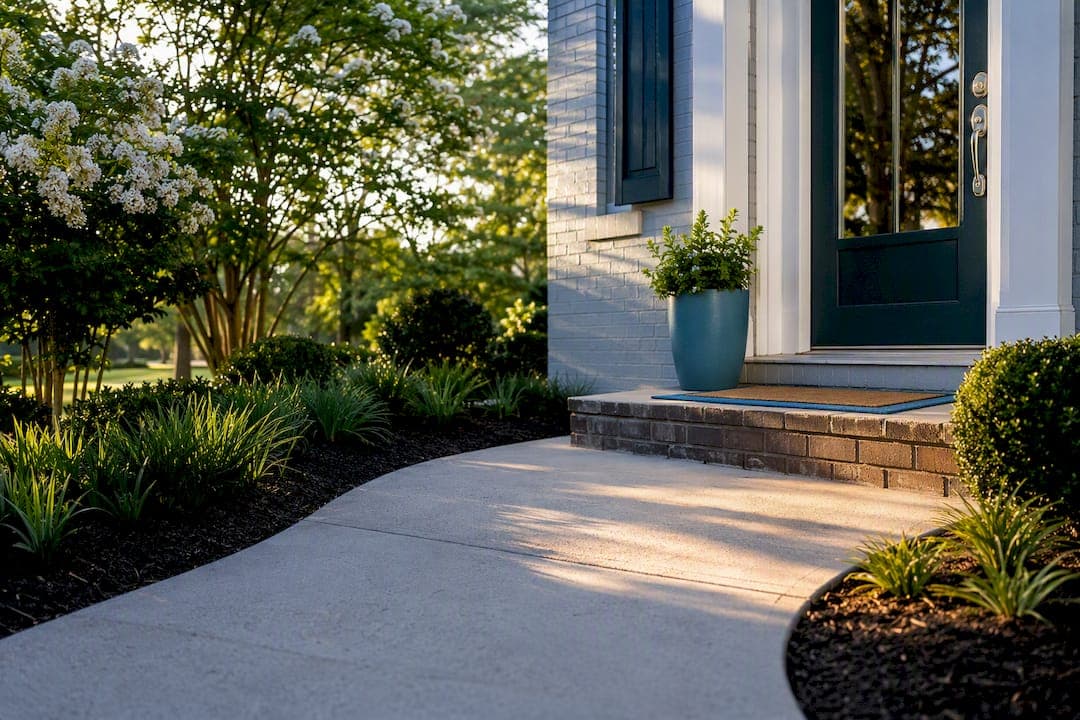
Do five things before you list: mow and edge the lawn, power-wash siding and walkways, refresh the front door, swap in fresh mulch and seasonal plantings, and upgrade exterior lighting. Buyers who see great curb appeal will pay about $9,195 more on average, and a neglected exterior turns off nearly 70% of them before they ever reach the front door. The rest of this guide breaks down what to spend, when to schedule it, and how it plays out in Virginia's specific market.
TL;DR:
- Mowing, edging, and reseeding a lawn can significantly enhance curb appeal for minimal cost and time investment.
- Power-washing siding, driveways, and walkways quickly removes grime that accumulates in Virginia’s humid climate, boosting visual appeal.
- Upgrading the front door with fresh paint and new hardware, combined with improved exterior lighting, delivers high returns for a moderate budget.
- Prioritizing fast-impact projects like lawn care, power-washing, and lighting in the weeks before listing helps ensure timely completion.
- Consulting a local expert for a walk-through assessment can optimize project timing and sequencing, preventing costly last-minute delays.
Table of Contents
- What Curb Appeal Improvements Matter Most for Virginia Sellers?
- What Should You Budget for Curb Appeal Improvements?
- When Should You Start Exterior Work Before Listing?
- Should You DIY Curb Appeal Work or Hire a Pro?
- Why Does the Front Entrance Matter So Much to Buyers?
- How Beams Realty Group Prioritizes Curb Appeal Work in Virginia
- Do Virginia HOAs Restrict Exterior Improvements Before Selling?
- A Seller's Honest Take on What Actually Moves the Needle
- Get a Pre-Listing Curb Assessment From Beams Realty Group
- Sources
What Curb Appeal Improvements Matter Most for Virginia Sellers?
Not every exterior project earns the same return, and Virginia sellers rarely have unlimited time before a listing goes live. This ranking reflects what actually shows up in listing photos and what buyers notice walking from their car to your front door.
- Lawn and edges first. A patchy, overgrown lawn is the single fastest way to make a house look neglected in every listing photo. Mowing, edging, and reseeding bare patches costs almost nothing and takes a weekend.
- Power-wash everything. Siding, driveways, walkways, and the porch collect Virginia's humidity grime fast. A rented pressure washer strips years of buildup in an afternoon.
- Front door refresh. New paint or stain, updated hardware, and a clean mat instantly signal a well-kept home.
- Fresh mulch and seasonal color. Dark, fresh mulch beds frame the house and hide bare soil; a few flowering plants add life without a big budget.
- Exterior lighting. Updated fixtures and path lighting matter for evening showings and make listing photos look intentional rather than dated.
- Garage door appearance. A garage door dominates many suburban Virginia facades; a fresh coat of paint or a full replacement changes the whole front elevation.
- Walkway and driveway repair. Cracked concrete or heaving pavers read as deferred maintenance, and buyers assume the same neglect exists elsewhere.
- Porch staging. A couple of chairs, a bench, or planters make the entry feel lived-in and cared for rather than staged as an afterthought.
Lawn work, power-washing, and lighting are quick wins you can finish in days. Garage doors, walkway repair, and major landscaping need contractor lead time, so book those early. Spring listings benefit from fresh plantings timed to bloom during showings; fall listings need aggressive leaf cleanup so the yard doesn't look abandoned in photos.
What Should You Budget for Curb Appeal Improvements?
Your budget should match your timeline and your neighborhood's price band, not a generic national average. Three tiers cover most Virginia listings.
Weekend fixes ($50 to $500): mulch, mowing and edging, pressure washing, house numbers, a new welcome mat, and minor paint touch-ups. These are the highest-ROI dollars you'll spend because they're nearly free and visibly change every listing photo.
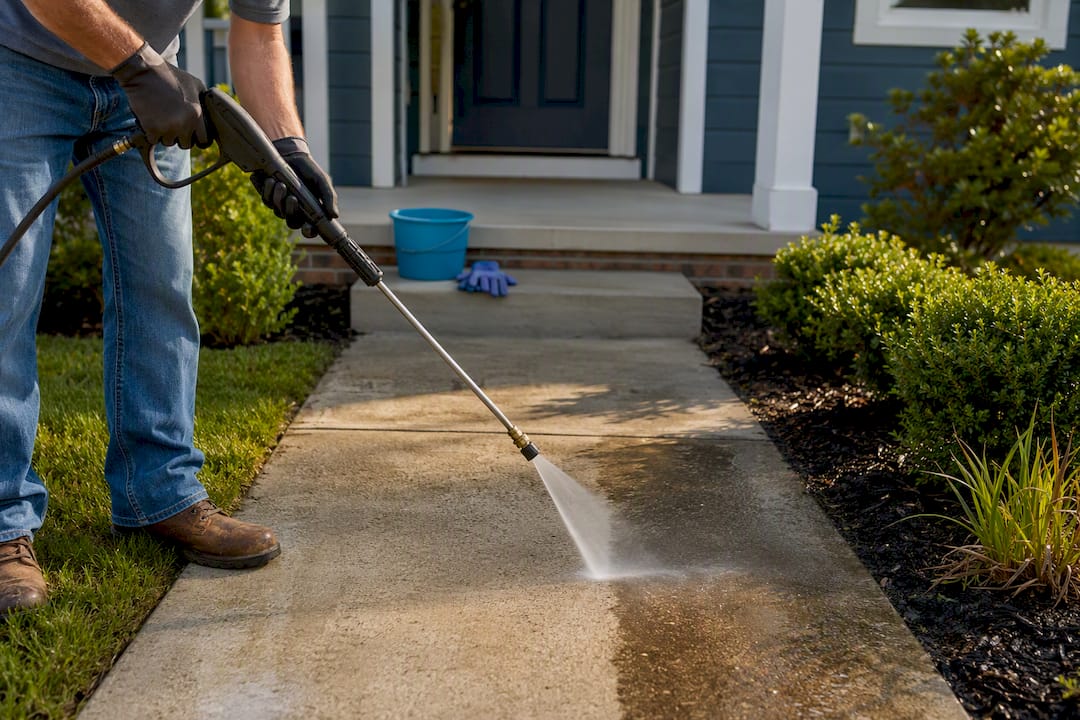
Midrange refresh ($500 to $3,000): front door replacement or professional paint, updated exterior lighting fixtures, foundation planting beds, driveway sealing, and garage door repainting. Local Virginia staging guides show many of these projects staying under $1,500 and finishing within a weekend when handled by an experienced crew.
Major curb upgrades ($3,000 to $10,000+): full landscaping redesign, hardscaping (walkways, retaining walls), garage door replacement, and exterior painting for the whole house.
The number that matters most: Buyers surveyed nationally said they'd pay an average of $9,195 more for a home with standout curb appeal, and 68% called poor curb appeal a dealbreaker outright.
Some sellers finance exterior work through short-term contractor financing or pay-at-closing programs offered by staging and repair companies, which let you complete improvements now and settle the bill when the sale closes. Ask your agent which local vendors offer that option before you assume you need cash up front.
When Should You Start Exterior Work Before Listing?
Work backward from your target listing date and photo day. Missing a window on landscaping or a contractor booking is the most common reason sellers scramble at the last minute.
- 6 to 8 weeks out: Book any contractor-dependent projects now (garage door replacement, hardscaping, major painting). Pull permits if your HOA or locality requires them for structural changes.
- 2 to 4 weeks out: Refresh landscaping beds, plant seasonal color that will be in bloom for showings, and finish paint touch-ups on trim, shutters, and the front door.
- Last week before photos: Power-wash siding and walkways, clean gutters, mow and edge, set out porch staging, and do a final walk-through at the exact time of day your photographer will shoot.
Should You DIY Curb Appeal Work or Hire a Pro?
Mowing, mulching, painting a front door, and cleaning gutters are well within most homeowners' skill and safety range, and doing them yourself saves real money. Anything involving ladders above one story, electrical work for lighting fixtures, structural repairs, or large hardscaping projects is worth hiring out. The math is simple: your time is worth something, but a botched DIY paint job or a fall off a roof costs more than the labor would have.
When you do hire a contractor, vet them the same way you'd vet any vendor handling your largest asset.
- Confirm active license and liability insurance before any work begins.
- Ask for references from jobs completed in the last six months.
- Request photos of similar completed projects, not just a portfolio website.
- Get a written estimate with a firm timeline and a clear change-order policy for scope adjustments.
If your agent is coordinating multiple vendors, ask each one directly how they handle scheduling conflicts and who's responsible if one delay pushes back another crew's start date. A visibly neglected exterior can also trigger closer buyer scrutiny during the home inspection, so factor that into which projects you prioritize.
Pro Tip: Get all contractor estimates in writing before your photographer's date is locked in. A verbal "should be done by Friday" from a landscaper is the single most common reason listing photos get delayed a week.
Why Does the Front Entrance Matter So Much to Buyers?
Buyers form a core impression within seconds of seeing your home, and that first emotional read filters everything else they notice as they move through the house. Psychologists call this affective priming: the entrance sets an emotional tone, and buyers spend the rest of the showing looking for evidence that confirms it rather than evaluating the home fresh. That's why a scuffed door or a dead porch plant does more damage than its size suggests.
A few specific, inexpensive changes carry outsized weight:
- A freshly painted front door in a confident color (not necessarily bold, just clean and current).
- New door hardware, a working doorbell, and a modern house-number display buyers can read from the curb.
- Clean, weed-free walkway with clear lighting for evening showings.
- Simple porch staging: a bench or chairs, a couple of planters, nothing cluttered.
Regional guidance for Virginia sellers consistently points to these same affordable fixes as delivering outsized returns relative to their cost. The entrance also acts as a price anchor: buyers who feel good stepping through the door tend to view the interior more generously, which matters when your listing price sits near the top of the comparable range.
How Beams Realty Group Prioritizes Curb Appeal Work in Virginia
Every neighborhood has a different ceiling for exterior investment, and Beams Realty Group builds recommendations around that reality instead of a generic checklist. A $3,000-per-month price band in Fairfax calls for different priorities than an entry-level listing in a fast-turnover market. The workflow starts with a walk-through assessment against comparable listings nearby, moves to a prioritized fix list ranked by cost and impact, coordinates contractor timing so nothing delays photo day, and confirms the photographer's shoot happens once every fix is complete, not before. That sequencing is what keeps a listing on schedule instead of pushed back a week waiting on paint to dry.
Do Virginia HOAs Restrict Exterior Improvements Before Selling?
Many Virginia neighborhoods, especially newer subdivisions and planned communities, operate under a homeowners association with architectural review requirements. Before you paint your front door a new color, replace a garage door, install hardscaping, or add exterior lighting fixtures, check your HOA's covenants for approved color palettes, material restrictions, and any submission process for exterior changes.
Some associations require written approval before work begins, and retroactive violations can force you to undo work you already paid for, which is the last thing you want two weeks before listing photos. Fence height, landscaping bed placement, and even mailbox style are commonly regulated in Virginia HOA communities. Localities without an HOA still may require permits for structural changes like garage door replacement or major hardscaping, so confirm with your local building department if you're unsure whether a project needs a permit.
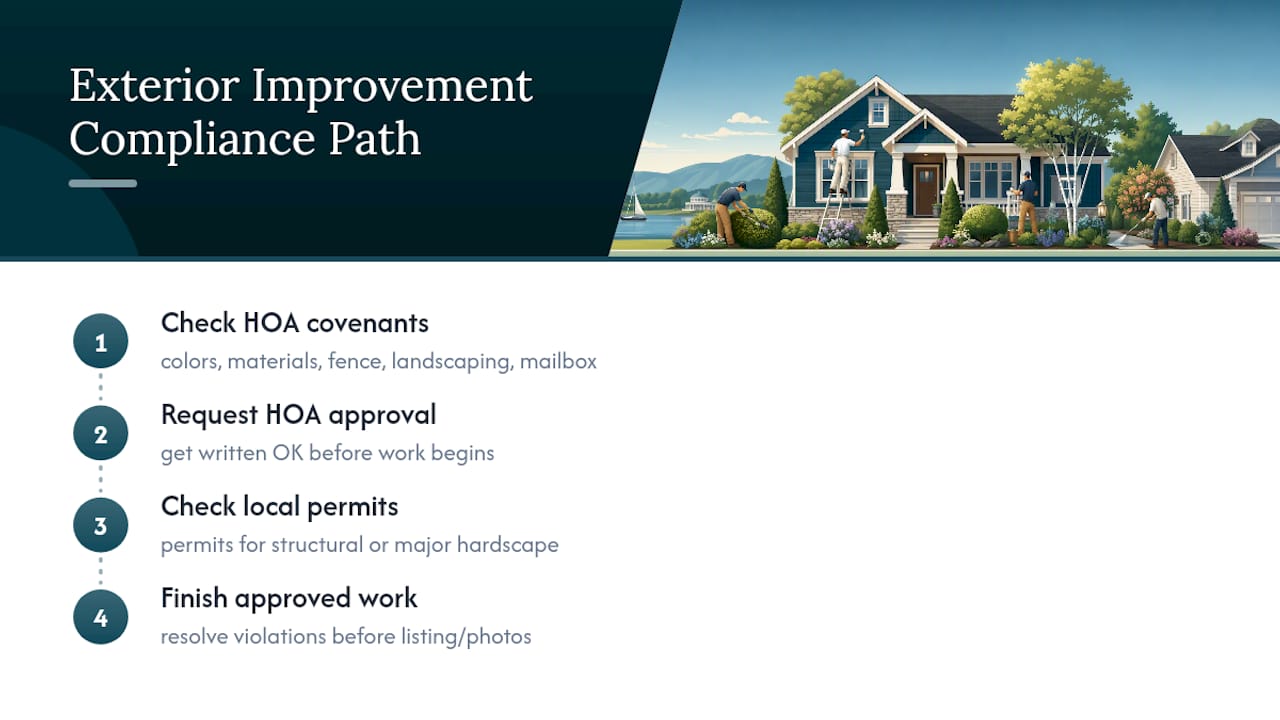
If you're selling a home with any pending violations or unapproved past modifications, resolve those before listing. Buyers' agents routinely ask about HOA standing during due diligence, and an open violation can complicate closing timing in ways that have nothing to do with how good your lawn looks.
A Seller's Honest Take on What Actually Moves the Needle
If you only do three things, do these: fix the lawn and edges, power-wash the whole exterior, and get the front door and lighting right. Everything else is optimization on top of that foundation. Curb work only pays off when it's timed to your listing price and your photographer's schedule, not done piecemeal after photos are already live. If you're not sure where your home stands compared to what's selling nearby, get a pre-listing walk-through before you spend a dollar on landscaping.
— Myra
Get a Pre-Listing Curb Assessment From Beams Realty Group
Beams Realty Group is the alternative to guessing which projects are worth your money. Instead of spending on a generic checklist, you get a walk-through assessment tied to what's actually selling in your specific Virginia neighborhood, a prioritized fix list, contractor coordination so nothing sits half-finished, and a photo day scheduled only once every improvement is done.
That kind of sequencing is what keeps a listing on track instead of losing a week to a delayed paint job or a landscaper who no-showed. It also connects directly to your overall pre-listing plan, so curb work lines up with staging, pricing, and marketing rather than happening in isolation. If your home has any exterior wear that might raise flags during a termite inspection or affect your appraisal, an assessment catches that early instead of after you're under contract. Request a pre-listing assessment through Beams Realty Group and get a prioritized plan built around your actual neighborhood, not a national average.
Sources
- Curb appeal projects with the highest ROI — American Home Shield
- First impressions — RENOmaxVA
- The psychology behind first impressions — Livabl