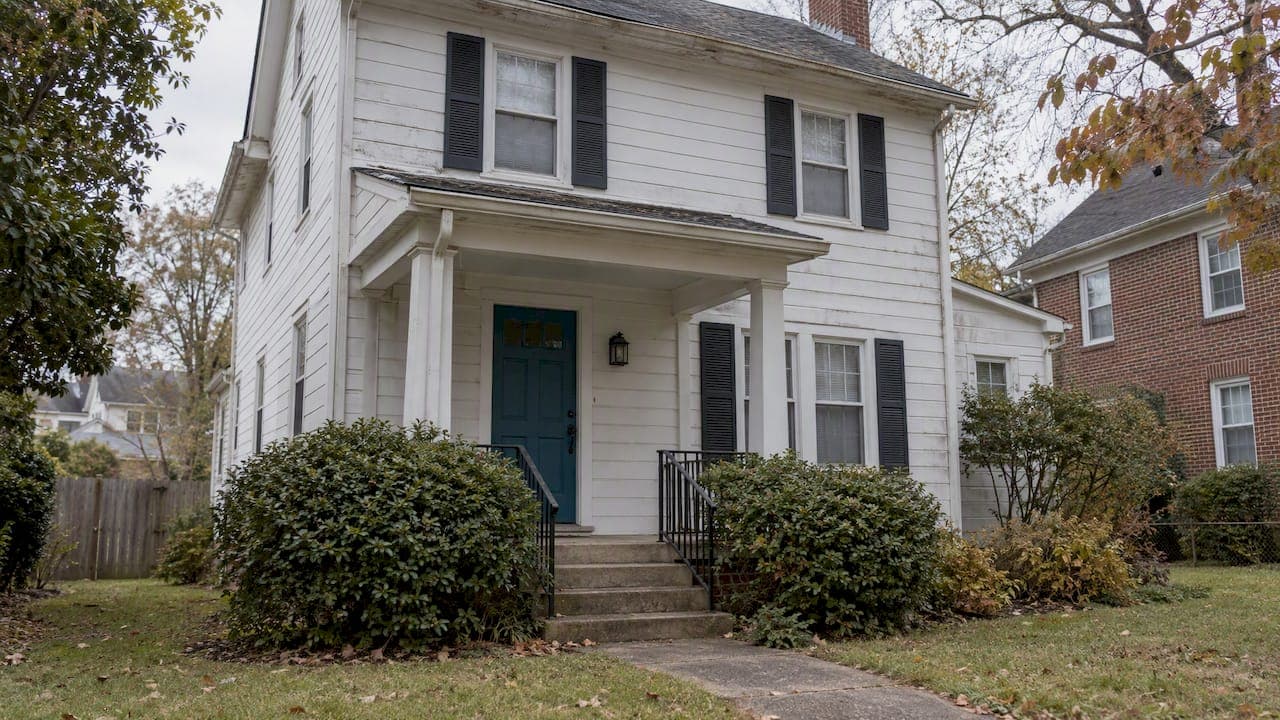
Yes, you can usually sell an inherited home in Virginia, but the sale depends entirely on who holds legal authority over the title: a trustee, a joint owner, or a court-qualified personal representative. Before listing anything, confirm that status with the circuit court clerk's office or probate counsel, because selling without proper authority can expose heirs to creditor claims under Virginia law.
TL;DR:
- Selling an inherited home requires proper legal authority, such as Letters Testamentary or trustee certification, to avoid liability and ensure a smooth transaction.
- Avoid full probate when the property is held in joint tenancy, in a trust, or transferred via a transfer-on-death deed, which can streamline the sale process.
- Court qualification and filing deadlines, including inventory and creditor clearance, set strict timelines that affect when and how the property can be sold.
- Selling within one year of the decedent’s death risks creditor claims unless court-supervised protections are in place, making legal authority crucial.
- Expect additional costs such as probate tax, court fees, attorney expenses, and property maintenance, which must be considered before estimating net proceeds.
Table of Contents
- Who owns the property and who can legally sign to sell it
- Probate, trusts, and small-estate options: how each path affects the sale
- Timeline and statutory deadlines that shape a Virginia probate sale
- Probate tax, fees, and costs to budget when selling an inherited home
- Creditor exposure and legal risks of selling before probate is complete
- Choosing the right sale route for a probate or inherited property
- Step-by-step checklist from documents to closing
- Documents and closing mechanics the title company will require
- What matters most when heirs are ready to sell
- How we help with probate and inherited-home sales in Virginia
- FAQ
- Sources
Who owns the property and who can legally sign to sell it
The deed tells you who held title at death, and the will or trust tells you who inherits it. Those are two different questions, and both matter before you put a sign in the yard.
Start by pulling the recorded deed from the circuit court land records to see how title was held: solely, jointly with survivorship rights, or inside a trust. Then check the will for how it names an executor, since Virginia Code § 64.2-521 generally gives an executor or administrator with the will annexed the power to sell real estate that the will directs to be sold, unless the will names someone else for that job.
- A surviving joint tenant with right of survivorship can typically sign without probate at all.
- A successor trustee named in a living trust can usually sell once the trust is funded and the trustee has accepted the role.
- An executor or administrator needs Letters Testamentary or Letters of Administration from the circuit court clerk before signing a deed.
- A title company will rarely close without seeing those qualifying documents on file, regardless of how confident a family member feels about their role.
Probate, trusts, and small-estate options: how each path affects the sale
Not every inherited home has to pass through full probate administration, and figuring out which path applies changes your timeline dramatically.
Look first for signs the property bypassed probate entirely: a recorded deed naming joint tenants with survivorship, a transfer-on-death deed, or a trust document that lists the home as a trust asset. Any of these usually lets a surviving owner or successor trustee move toward a sale without opening an estate at the courthouse.
When none of those apply, the estate likely needs formal qualification through the circuit court clerk, who handles most probate administration in Virginia according to the Virginia Court Clerks' Association. Their guidance recommends starting the initial estate steps within about 30 days and bringing the original will, a death certificate, and an asset list to that first visit.
- Gather the recorded deed, trust document, or death certificate showing joint survivorship first.
- Confirm whether the estate's personal property value fits any small-estate procedure your clerk's office recognizes.
- Ask the clerk's office directly which path applies before assuming the home needs full probate.
- Keep a copy of every document you locate, since the closing attorney will need the same paperwork later.
Timeline and statutory deadlines that shape a Virginia probate sale
Once an executor or administrator qualifies, the clock starts running on several fixed deadlines that affect when and how you can sell.
A fiduciary must file an inventory with the Commissioner of Accounts within four months of qualification, and that inventory must include any real estate over which the fiduciary holds a power of sale, valued as of the date of death, under Virginia Code § 64.2-1300. Missing that deadline can delay everything downstream, including a pending sale.

The bigger constraint for early sellers is the one-year rule: conveyances by heirs within a year of death are generally not valid against creditors unless a specific statutory exception applies, per Virginia Code § 64.2-534. A properly authorized personal representative can usually sell sooner, but an heir selling on their own within that window should expect title companies to ask for court-supervised protections, such as a decree with a special commissioner or a bond, before they will insure the transaction.
Probate tax, fees, and costs to budget when selling an inherited home
Before you estimate net proceeds, account for the probate tax and the handful of recurring fees that come with settling an estate.
Virginia's probate tax applies to estates valued above a certain threshold, and localities may add a surtax equal to a fraction of the state tax, according to Virginia Tax. Estates valued below that threshold are exempt from the state tax. The tax is due when the will is offered for probate or administration is sought, so it typically lands early in the process, well before a sale closes.
- Court filing fees for qualification and the probate tax itself, paid at the clerk's office.
- Attorney fees if counsel handles the estate administration or reviews the sale.
- Title and recording fees, which our guide to Virginia closing costs breaks down by typical percentage ranges.
- Ongoing property maintenance, utilities, and insurance while the estate holds the home.
- Standard sale expenses: commission, inspection repairs, and any negotiated buyer concessions.
A fiduciary may also need to file IRS Form 1041 for estate income if the estate earns interest, rental income, or capital gains during administration, so it's worth asking a tax professional whether that filing applies before closing.
Pro Tip: Ask the closing attorney for a preliminary probate-tax and fee estimate as soon as you know the home's value, so there are no surprises when proceeds are distributed.
Creditor exposure and legal risks of selling before probate is complete
Selling too early is the single most common way heirs create legal trouble for themselves, often without realizing it until a title company flags the file.
Real estate can be an asset reachable for a decedent's debts, and an heir who sells that property may become personally liable for its value if creditors later come forward, under Virginia Code § 64.2-534. That statute makes most heir conveyances within one year invalid against creditors unless the sale goes through a court-ordered process or the proceeds are held by a special commissioner to protect creditor claims. A sale by a properly authorized personal representative is a different legal situation from an heir signing without that authority, which is exactly why title companies ask the question before anything else.
- Expect any sale within one year of death to trigger extra title-cure requests, including proof of authority or court involvement.
- Title companies often resolve creditor risk through escrow holdbacks or by requiring a bond before closing.
- Verify fiduciary authority and get legal sign-off before listing, not after an offer arrives.
- Use a court-supervised sale, such as one involving a special commissioner, whenever creditor exposure is uncertain.
Choosing the right sale route for a probate or inherited property
Estates rarely fit one sale strategy. The right route depends on the home's condition, how fast the estate needs cash, and how many title issues still need resolving.
- Cash buyer or as-is sale: fastest path, useful when the home needs significant repairs or heirs want to avoid showings, though offers typically run below retail market value; see how the probate process affects real-estate sales with cash buyers here.
- Traditional agent listing: usually nets a higher sale price and reaches more buyers, but requires the home to be market-ready and can take longer to close.
- Court-ordered or special-commissioner sale: necessary when heirs disagree, title is contested, or the one-year creditor window requires extra protection for the buyer.
Before choosing, order an appraisal and a title search, clear any small liens, confirm utilities and insurance are current, and prepare the standard property disclosures. We coordinate repair estimates, pricing strategy, and buyer vetting for estate sales, which matters most when a property has sat vacant or needs work before it can compete on the open market.
Pro Tip: Get the title search done before you pick a listing price. Clearing a lien or judgment early avoids a renegotiation after a buyer is already under contract.
Step-by-step checklist from documents to closing
Moving from "we inherited a house" to a closed sale goes smoothly when you follow the steps in order rather than skipping ahead to marketing.
- Locate the will, any trust document, the recorded deed, and a certified death certificate.
- Confirm how title was held: sole ownership, joint tenancy, or trust property.
- Open probate with the circuit court clerk if needed, or confirm trustee authority if the home is in a trust.
- Obtain Letters Testamentary or Letters of Administration, or a trustee certification, before signing anything.
- Order an appraisal and a full title search to surface liens, judgments, or unpaid taxes.
- Request mortgage payoff figures and resolve any outstanding liens.
- Choose a sale route, whether that's listing with an agent, negotiating with a cash buyer, or pursuing a court sale.
- Market the property with accurate disclosures if listing traditionally.
- Prepare closing documents, including the deed to be signed by the authorized representative or trustee.
- At closing, pay the probate tax and any outstanding fees, then distribute proceeds according to the will, trust terms, or court order.
If any heirs are out of state and can't attend closing in person, our remote closing guide for Virginia covers the notary requirements and fee caps involved.
Documents and closing mechanics the title company will require
Title companies and closing attorneys work from a fairly standard checklist, and having it ready before you list saves real time later.
- The original will, a certified death certificate, and Letters Testamentary or Letters of Administration.
- A trustee certification if the sale is coming from a trust rather than a probate estate.
- The recorded deed, current mortgage payoff statement, and property tax records.
- Proof the inventory was filed with the Commissioner of Accounts, reporting real estate at its gross date-of-death value without subtracting the mortgage balance.
Closing attorneys use these documents to confirm who has authority to sign, calculate and collect the probate tax, and route proceeds correctly to beneficiaries. The most common delays at the title stage come from missing proof of authority, liens nobody disclosed, or unpaid property taxes and HOA dues. If the property sits in an HOA, our HOA resale package guide explains the disclosure timeline you'll need to satisfy before closing.
What matters most when heirs are ready to sell
Legal authority and a clean title have to come before marketing, not after. We've seen families get excited about a quick cash offer only to discover the person signing the contract never had the legal standing to do so, which stalls everything and sometimes costs more in delay than it would have cost to confirm authority upfront.
Our approach starts with a checklist conversation: who qualified with the court, what documents exist, and whether counsel has already weighed in. From there we manage buyer expectations honestly, especially around timing when creditor protections or court approval are pending. When title is murky or heirs disagree, that's a call for an attorney first. When authority is clear and documents are in hand, a listing can move forward right away.
— Myra
How we help with probate and inherited-home sales in Virginia
Selling an inherited home comes with legal steps most families only face once, and having a local agent who has coordinated these sales before takes pressure off at a difficult time. We work with closing attorneys and title companies on probate and estate sales, and we start every inherited-property conversation with a home valuation so you know what the home is worth before deciding on a sale route.

Here's what that looks like in practice:
- We help confirm what documents are needed before listing, from Letters Testamentary to trustee certification.
- We coordinate with attorneys and title companies so authority questions get resolved before showings start.
- We price and market the property based on its actual condition, including homes that need repairs before sale.
- We manage buyer expectations around any court approval or timing requirements tied to the estate.
If you're ready to talk through your situation, request a valuation or a probate-sale consultation and bring whatever documents you've already gathered, even if you're not sure yet which ones you'll need.
This article is general information, not a substitute for advice from a qualified lawyer. Consult a qualified legal professional about your own circumstances before acting on anything here.
FAQ
How long does a house go through probate in Virginia?
Timelines vary by estate, but the fiduciary must file an inventory with the Commissioner of Accounts within four months of qualifying, a deadline set under Virginia Code § 64.2-1300. Estates with disputes, unidentified assets, or multiple heirs often take longer to fully close than estates with clear title and a single beneficiary.
What happens if you sell property before probate?
If an heir sells real estate that counts as an asset for paying the decedent's debts, that heir can become personally liable for the property's value, and conveyances within one year of death are generally not valid against creditors unless a court-supervised exception applies, under Virginia Code § 64.2-534. A sale by a properly qualified personal representative is treated differently under the law than a sale by an heir acting alone.
What assets are exempt from probate tax in Virginia?
Virginia's probate tax applies to estates valued above $15,000, so estates at or below that threshold are exempt from the state tax, according to Virginia Tax. Property that passes outside probate, such as assets held in joint tenancy with survivorship rights or inside a funded trust, is also not subject to this tax even though it may factor into other estate calculations.
How do you avoid probate tax in Virginia?
Probate tax exposure is shaped by how property is titled before death, not by actions taken afterward. Holding property jointly with survivorship rights, using a transfer-on-death deed, or placing it in a trust are the recognized ways to keep an asset out of the probate estate, while transferring property after death without proper authority is not a valid way to avoid the tax.
Do I need a lawyer to sell an inherited house in Virginia?
A lawyer isn't required for every inherited-property sale, but one is strongly recommended whenever authority to sign is unclear, heirs disagree, or the one-year creditor window applies to the sale. Once authority is confirmed and documents are in order, a real estate agent experienced in probate sales can often move the listing forward alongside the closing attorney.
Sources
- Probate tax | Virginia Tax
- § 64.2-534. Liability of heir or devisee for value of real estate sold and conveyed; validity of premature conveyances. — Code of Virginia
- Probate in Virginia — Virginia Court Clerks’ Association