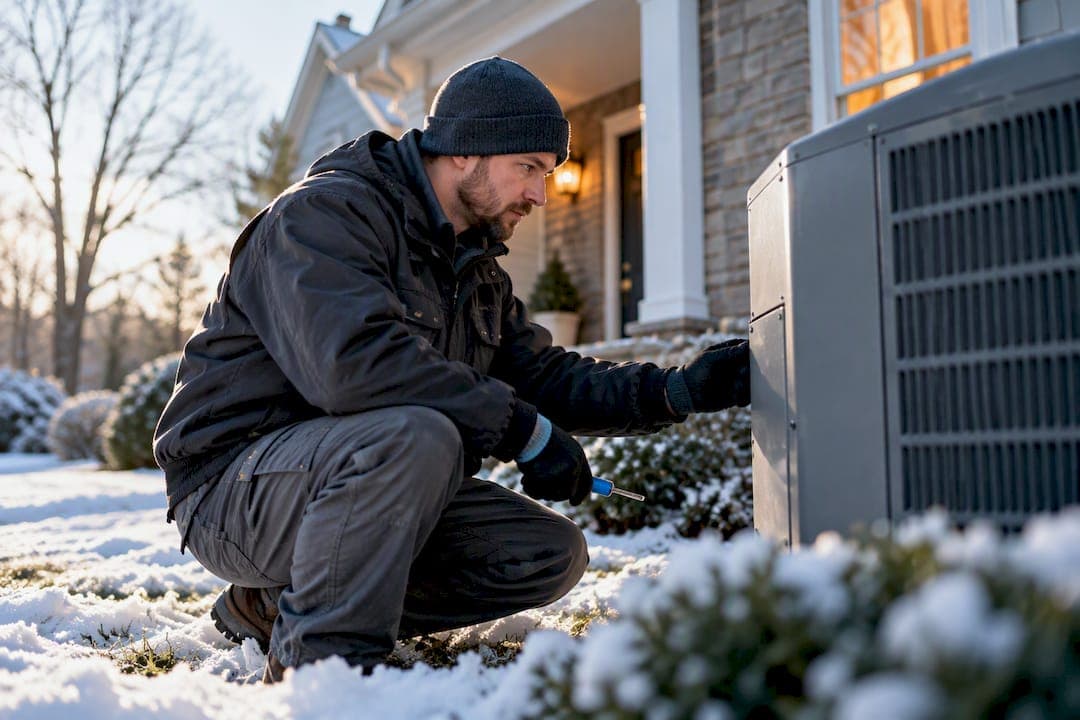
Yes, you can sell a Virginia home in winter successfully if you price it right, stage for low light, and address lender inspection items up front. Winter buyers tend to be more serious and less patient, so the sellers who win this season are the ones who fix what appraisers flag, light the house well, and price to move rather than to test the market.
TL;DR:
- Proper pricing in winter should target competitive offers early, as fewer showings mean each one has a larger impact on sale prospects.
- Exterior and interior staging, lighting, and quick repairs are essential to make a home appeal despite shorter daylight and colder weather.
- A pre-listing inspection helps identify and fix safety and appraisal issues beforehand, streamlining the VA and FHA loan approval process.
- Listing now benefits sellers with urgency-driven buyers, such as military relocations or job transfers, who are less influenced by seasonal market slowdowns.
- Building flexibility into scheduling repairs and showings accommodates weather delays and ensures a faster sale during the winter months.
Table of Contents
- Winter Home Selling Virginia: What Timing Really Means for Your Sale
- Getting Your Virginia Home Ready for Winter Showings
- How to Price a Winter Listing in Virginia
- VA and FHA Financing Quirks That Slow Down Winter Deals
- Marketing and Showings When Daylight Is Short
- Beams Realty Group's Winter Selling Checklist for Virginia Homeowners
- Why Some Virginia Sellers Choose Winter on Purpose
- Sell Your Virginia Home This Winter With Local, Hands-On Support
- Sources
- FAQ
Winter Home Selling Virginia: What Timing Really Means for Your Sale
Inventory drops sharply once the holidays hit, and that cuts both ways. Fewer competing listings means your home stands out more, but the buyer pool also shrinks, which is the core trade-off behind winter market seasonality nationally. In most Virginia markets, late spring through early summer still pulls the highest buyer traffic, while November through January runs slowest, according to regional Virginia sales data. That does not mean winter listings sit unsold. Some Northern Virginia agents point out that move-in-ready, renovated homes actually stand out more in winter precisely because there is so little competing inventory.
Winter buyers also skew toward people with a deadline: military relocations, job transfers, year-end tax planning, or a lease expiring in January. That urgency shifts negotiating leverage toward sellers who are prepared.
- List now if speed matters more than squeezing out the last few thousand dollars.
- Wait for spring if you have flexibility and want to maximize competing offers.
- List now if your home is already updated and shows well without major renovation.
Getting Your Virginia Home Ready for Winter Showings
Winter showings live or die on light and warmth. A dim, cold house reads as neglected even when it's not, and buyers form that impression in the first 30 seconds.
- Clear driveways, walkways, and porch steps of ice, snow, and wet leaves before every showing.
- Install or repair exterior lighting so the home reads inviting after 5 p.m., when most winter showings happen.
- Trim dead landscaping and remove leaf piles that make the yard look abandoned rather than dormant.
- Set the thermostat to a genuinely warm, comfortable temperature during showings, not just above freezing.
- Layer interior lighting with lamps and warm bulbs to compensate for shorter daylight hours.
- Add seasonal textiles like throws and rugs, but skip heavy holiday decor that dates the listing photos.
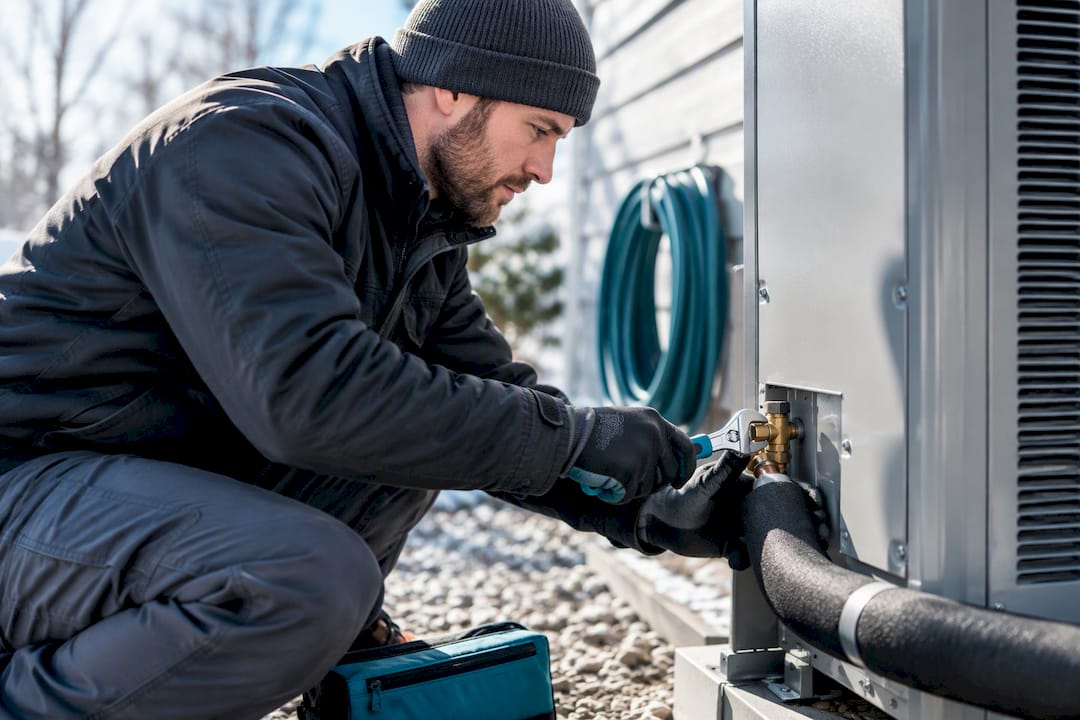
- Service the HVAC system and document it. Buyers ask about heating reliability more in winter than any other season.
- Fix peeling exterior paint, loose handrails, and any visible roof damage before you list, since these are exactly what VA and FHA appraisers flag first.
Budget-conscious sellers can knock out most of this list for a fraction of a full renovation. A Virginia curb appeal guide breaks down low-cost fixes that reportedly add thousands to a sale price, and a staging on a budget resource covers interior touches that move the needle without a big spend. If you're weatherproofing anyway, sealing drafty exterior doors is worth doing before showings start; this door winterizing guide covers the basics.
Pro Tip: Photograph and service your HVAC system in the same week. A dated receipt in your listing packet answers the buyer's heating question before they even ask it.
How to Price a Winter Listing in Virginia
Winter math is different. Fewer showings means each one counts more, and days on market naturally run longer than in April or May. The goal is to attract strong interest in the first two weeks rather than banking on a slow trickle of lowball offers.
- Price at or slightly below comparable recent sales to generate competing interest fast, rather than testing a high number and dropping later.
- Get a pre-listing inspection so you already know your negotiating position before a buyer's inspector finds it for you.
- Offer a small incentive, like a home warranty or a modest closing cost credit, to tip a hesitant buyer toward an offer.
- Set a mental deadline for a price adjustment (roughly two to three weeks with no offers) instead of waiting it out indefinitely.
If your priority is speed, whether from a job relocation or a year-end deadline, price to sell now and skip the temptation to chase spring pricing. If your timeline is flexible, holding for spring buyer volume can be the better play. A step-by-step selling plan walks through how to build a pricing strategy around your actual goal instead of a generic rule of thumb.
VA and FHA Financing Quirks That Slow Down Winter Deals
Virginia has one of the highest concentrations of VA loan buyers in the country, given the state's military population, and VA lender data confirms how common these loans are in local transactions. VA and FHA loans both come with minimum property requirements that are stricter than a conventional loan's, covering things like working handrails, functioning heat sources, and no exposed electrical hazards.
- Fix safety items (railings, exposed wiring, broken steps) before listing whenever the repair is quick and affordable.
- Order a pre-listing inspection so repair negotiations happen on your terms, not the buyer's, since renegotiations after a lender's inspection are one of the most common causes of a stalled winter closing.
- Winter weather can push back contractor schedules and appraisal appointments, so build a few extra days into your closing timeline.
- If a repair issue surfaces late, negotiate a credit, an escrow holdback, or a signed contractor timeline rather than losing the deal outright.
Buyers using a mortgage can verify their loan officer's license through NMLS Consumer Access, which is worth mentioning if a buyer's financing timeline feels uncertain.
Marketing and Showings When Daylight Is Short
Photography makes or breaks a winter listing. Shoot on a clear day, midmorning to early afternoon, when natural light is strongest, and lean into warm interior staging rather than trying to fake summer brightness.
- Schedule the photo shoot around the weather forecast, not the calendar, and reschedule if snow or heavy clouds are likely.
- Build a virtual tour or detailed floor plan so out-of-town and relocation buyers can qualify the home before booking an in-person visit.
- Offer flexible showing windows around holidays and bad weather days, and communicate any weather-related safety notes clearly.
- Highlight low buyer competition, VA loan eligibility, and efficient heating systems directly in the listing description.
Beams Realty Group's Winter Selling Checklist for Virginia Homeowners
A 30 to 60 day runway before listing gives you enough time to fix what matters without rushing. Here's the order that actually works:
- Get a home valuation and a pre-listing inspection in the same week so pricing and repair priorities line up.
- Handle safety-related repairs first (railings, exposed wiring, heating issues) since these are what stall VA and FHA closings.
- Schedule radon testing early. Virginia's colder months are actually the right time to test, since closed-up homes trap radon at higher, more representative levels.
- Pull together your HOA resale package now if your community requires one. Some Virginia HOAs need up to 14 days to produce it, which can delay closing if you wait.
- Line up curb appeal fixes and staging touches in the final two weeks before photos.
A broader pre-listing prep checklist is a useful cross-check if you want a second pass on timing.
Why Some Virginia Sellers Choose Winter on Purpose
Sellers facing a job transfer, a year-end deadline, or a downsizing move often do better in winter than they expect, mainly because the buyers left in the market are ready to act. One pattern shows up again and again in successful winter deals: a pre-listing inspection catches the issue before a buyer's lender does, which preserves both the timeline and the price. If your situation doesn't map cleanly to "wait for spring," a quick conversation about your specific Virginia market pocket is worth more than a general rule.
— Myra
Sell Your Virginia Home This Winter With Local, Hands-On Support
You get a valuation grounded in local comps, a staging and repair list built for VA and FHA appraisal standards, and support from a knowledgeable team familiar with local contractors who can handle winter repairs efficiently.
That local knowledge covers the details that trip up out-of-area sellers: how HOA resale packages move in your specific county, which repairs VA appraisers flag most often in your market, and how to time a listing around holiday showing gaps. Whether you're relocating for work or just ready to move on, the fastest way to know where you stand is to request a free home valuation or start the process to sell your home with a team that handles Virginia winter transactions year after year.
Sources
- Navigating the housing market: a seasonal perspective — NAR
- VA loan lender statistics — U.S. Department of Veterans Affairs
FAQ
What Is the Best Month to Sell a House in Virginia?
Late spring through early summer, roughly May and June, tends to draw the most buyer traffic in most Virginia markets. Winter months, especially November through January, typically run slowest, though well-priced, well-staged listings still sell during that window.
What Is the Hardest Month to Sell a Home?
January is usually the toughest month nationally, since buyer activity is at its lowest right after the holidays. Inventory is also thin then, so a well-prepared listing faces less direct competition than it would in spring.
Are Home Prices Dropping in Virginia?
Pricing varies significantly by county and even by neighborhood, so there's no single statewide answer. Winter listings in Virginia sometimes see slower price growth simply because fewer buyers are shopping, not because homes are worth less.
What Is the 3-3-3 Rule for Buying a House?
Definitions vary, but one common version suggests spending no more than three times your annual income on a home, keeping your monthly payment under 30 to 33% of gross income, and having three months of expenses in savings after closing. Sellers should know this rule mainly because it shapes how much buying power the winter buyer pool actually has.
Does Beamsrealtygroup Help With Winter-Specific Repairs Before Listing?
There are services that coordinate staging, pricing, and contractors for fast turnarounds on repairs that commonly affect VA and FHA appraisals. Current service details are available through a home valuation request.